
PORTFOLIO 03
BRANDING / PACKAGE DESIGN: INDIGENA CHOCOLATE
“Indígena” is the Spanish word for “Indigenous.” Pronunciation: “in-DEE-hen-ah.” This chocolate box packaging design takes its theme from the indigenous origin of chocolate.
Chocolate - made from cacao beans - was first developed by ancient Mesoamerican peoples. Ancient civilizations such as the Olmec, the Maya, and the Aztecs mixed ground cacao beans with water, ground corn, and spices. Then, they cleverly created a “frothy” drink by holding a bowl with this mixture at shoulder height and pouring the chocolate mixture into a bowl on the ground below. Repeating this back and forth agitation added air to produce froth! Frothiness enhanced the taste and aroma of their chocolate. This bowl pouring method is still used today in Central America.
The woman’s image featured on this red chocolate box is styled from an ancient hieroglyph that illustrates how ancient peoples created frothy chocolate.
The concept for this package design seizes upon chocolate’s unique Mesoamerican origin. Design elements utilize colors, fonts, graphic patterns, and visual vocabularies inspired by ancient indigenous peoples.
CHOCOLATE BOX EXTERIOR DESIGN
Click on images for large view.
Chocolate Box, Exterior, Upper Box Top Label with Wordmark
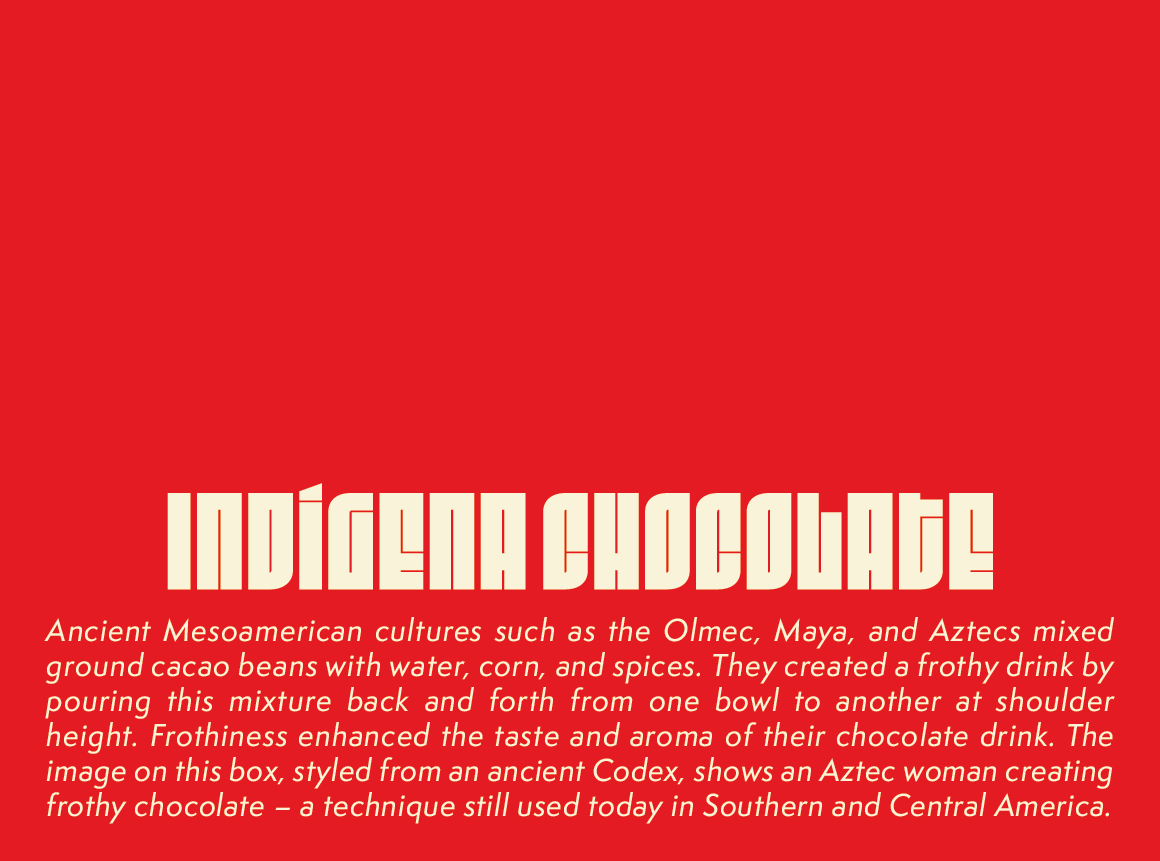
Chocolate Box, Upper Box Top Label with with Wordmark & information
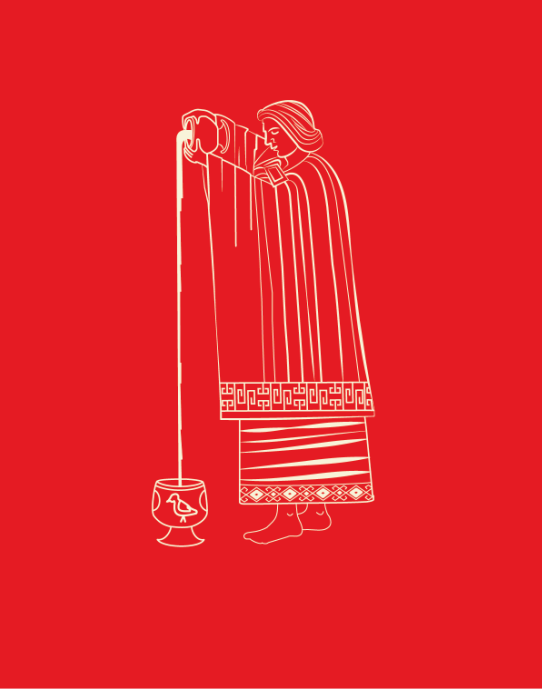
Chocolate Box, Exterior Box Front featuring Aztec woman pouring chocolate liquid in the ancient manner to make it frothy. Styled from ancient hieroglyphics.

Chocolate Box, Exterior Box label with website address
MOCK-UP: CHOCOLATE BOX EXTERIOR DESIGN
Click on images for large view.
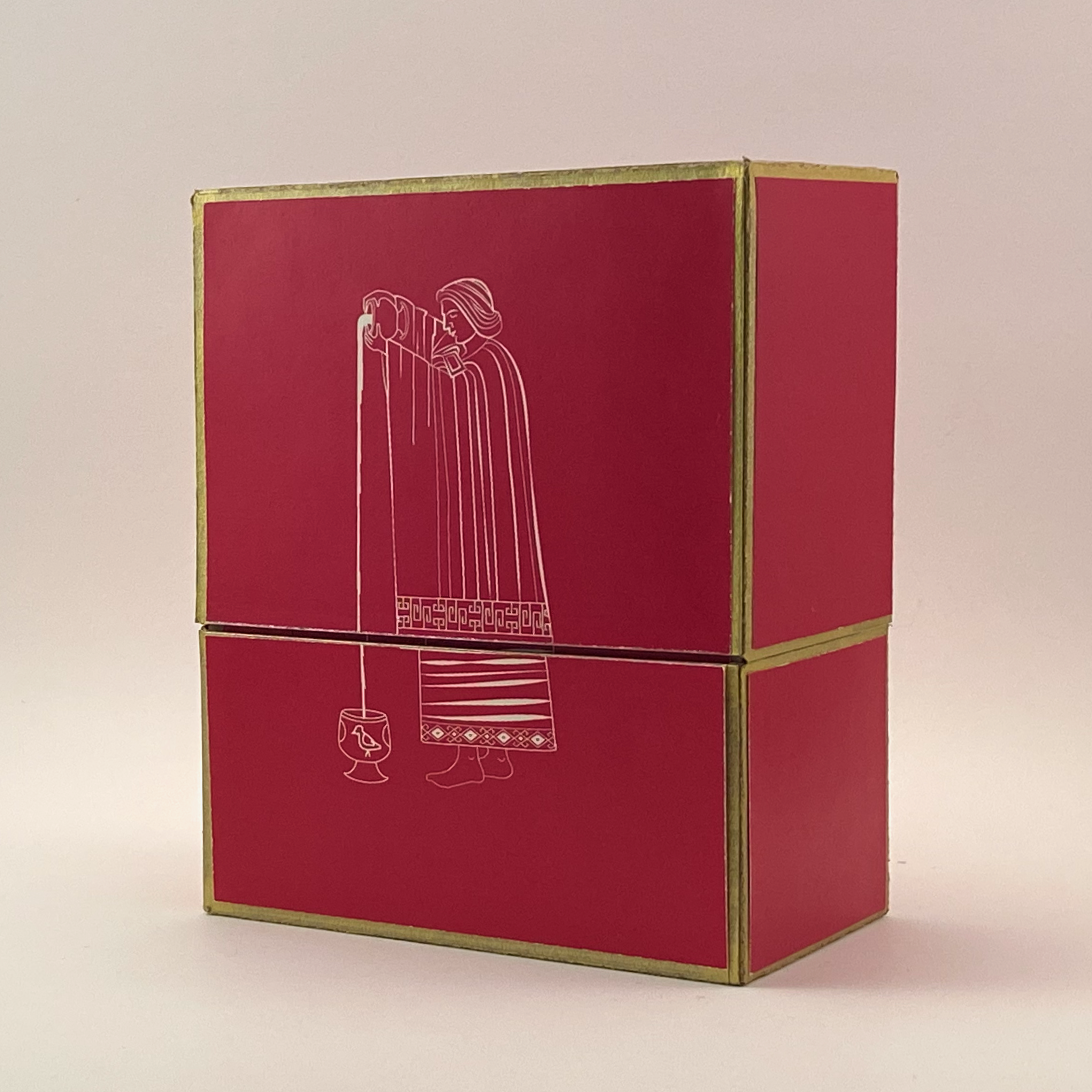
Indígena Chocolate, front view, box exterior, closed box, 01
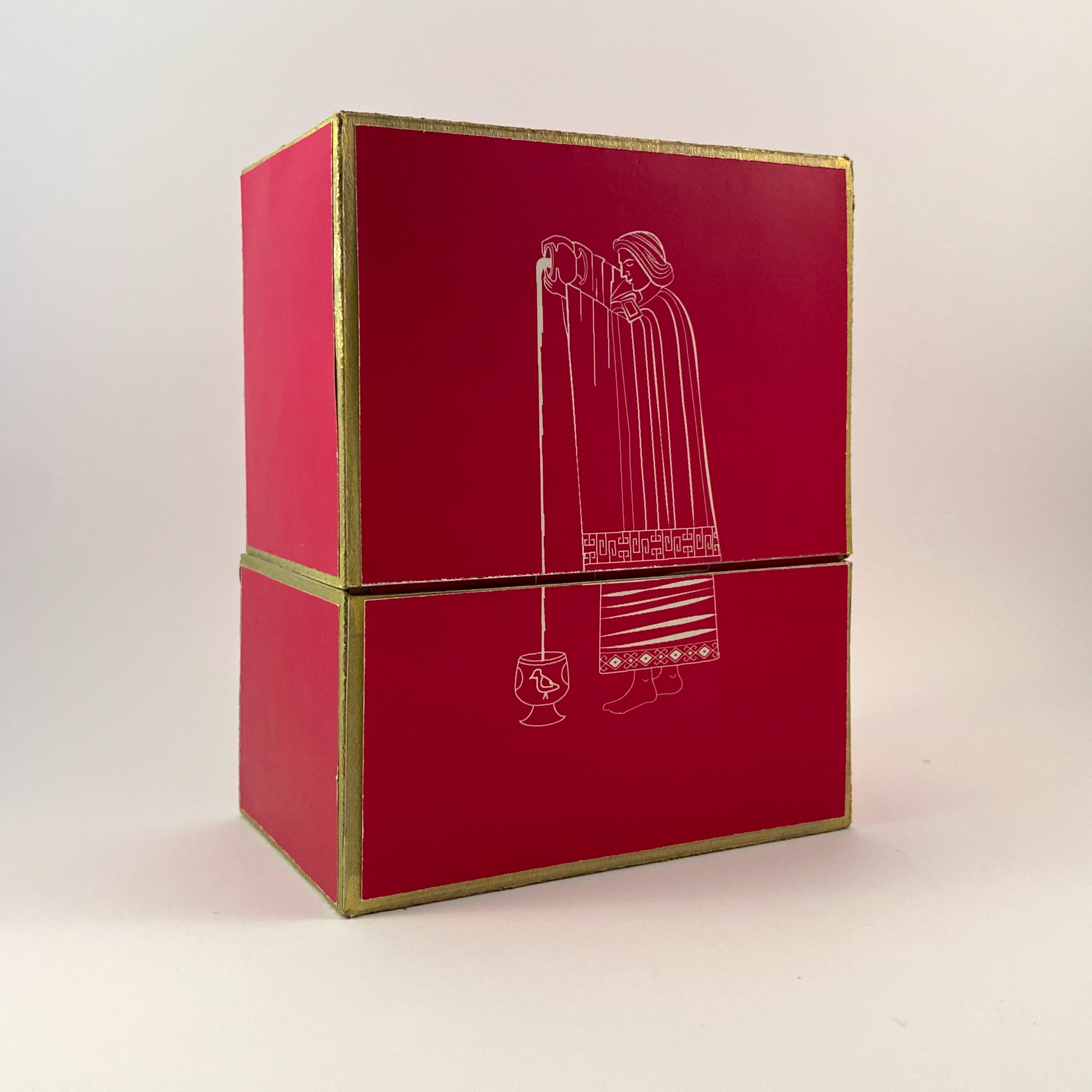
Indígena Chocolate, front view, box exterior , closed box, 02
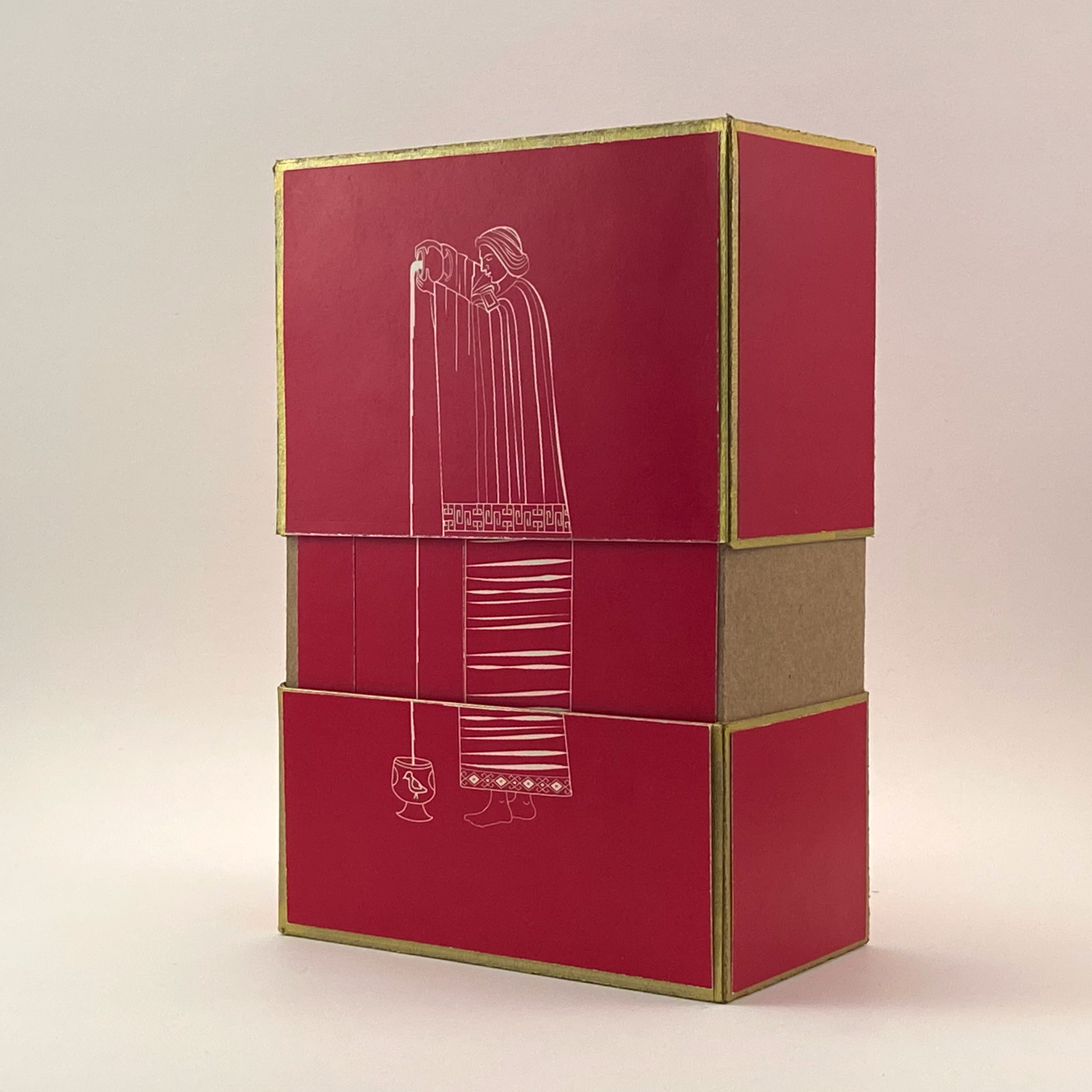
Indígena Chocolate, front view, box exterior extended as opening. When the box is opened the pouring chocolate grows longer as does the woman's traditional dress, adding an element of delight to the action of opening the chocolate box.
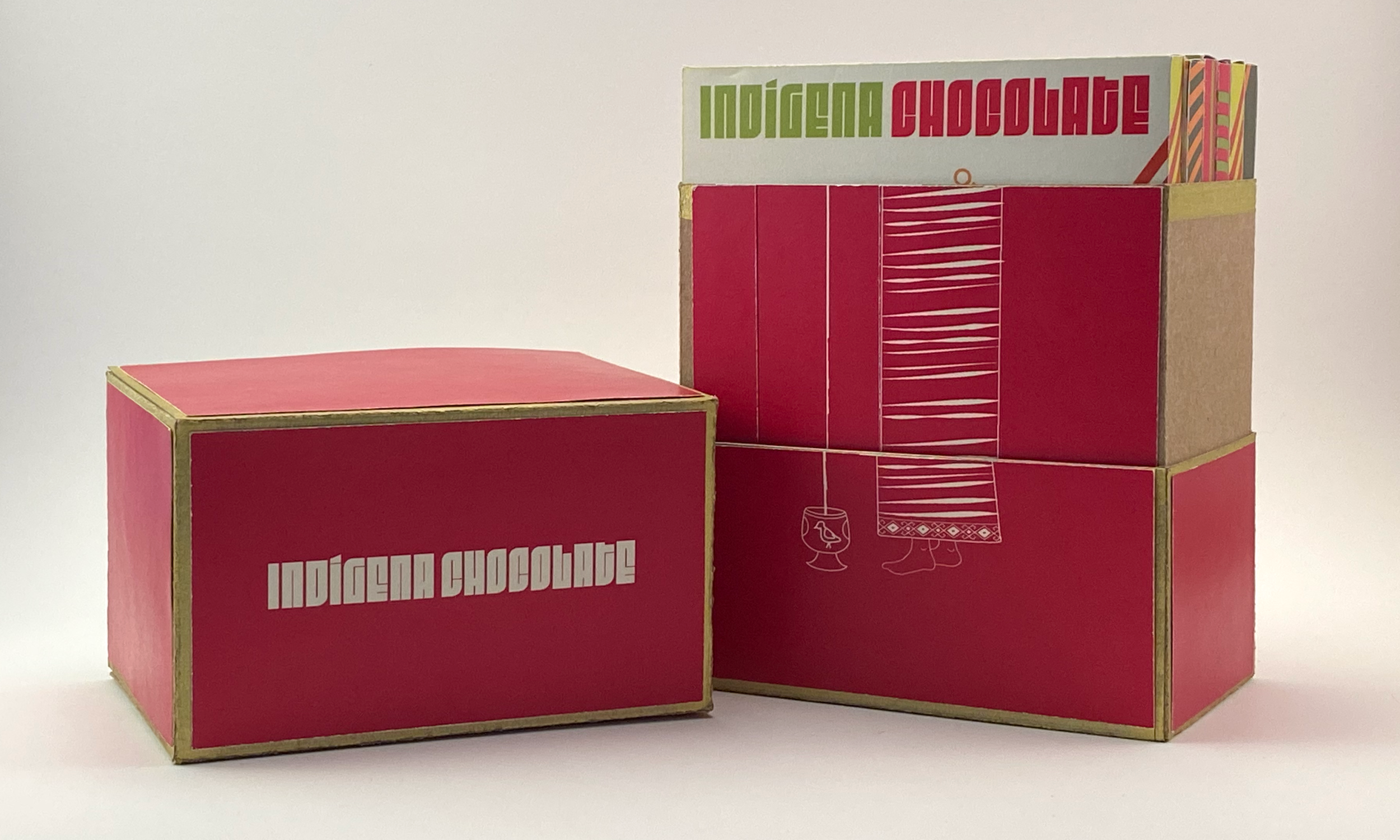
Indígena Chocolate, front view, box exterior, open box, 01
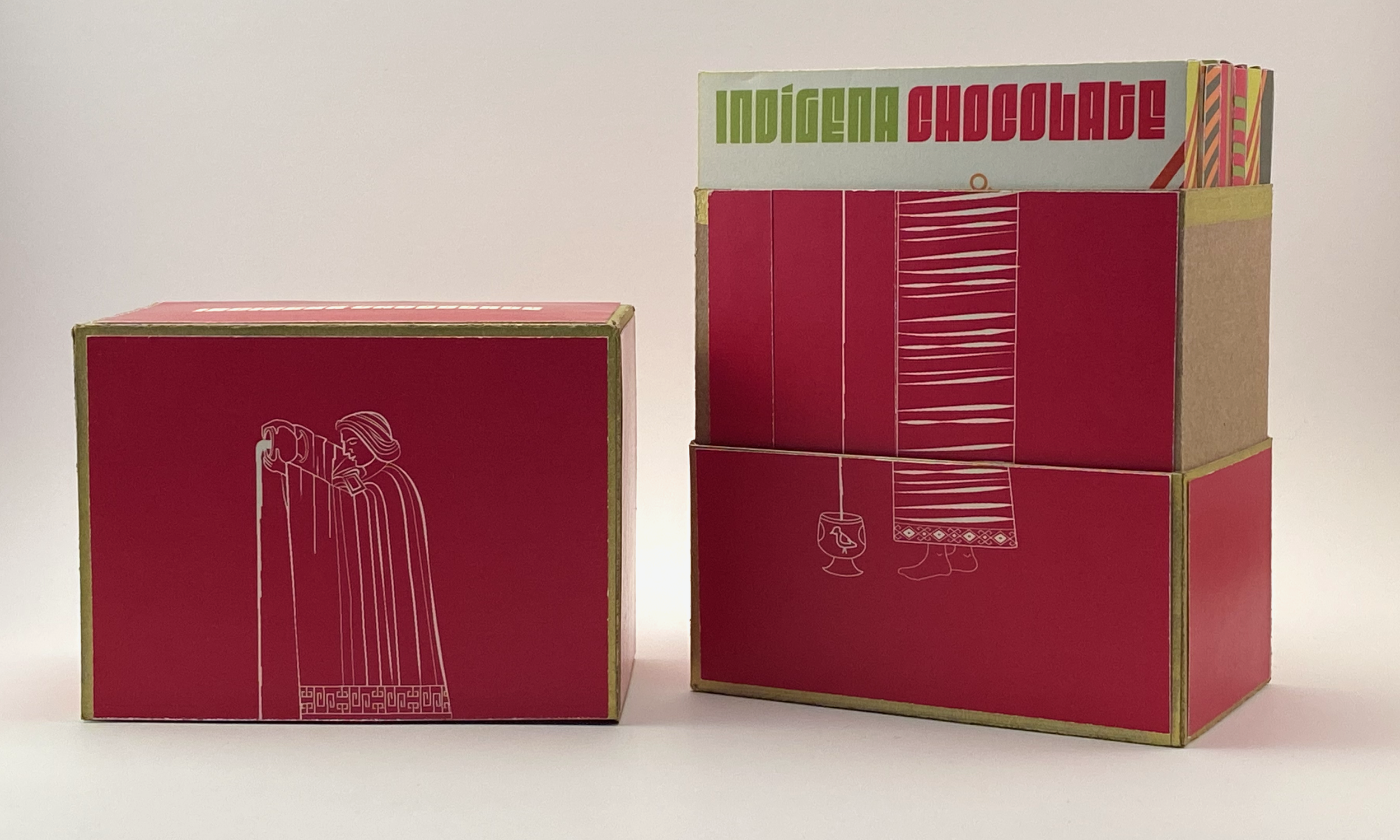
Indígena Chocolate, front view, box exterior, open box, 02
MOCK-UP: CHOCOLATE BOX EXTERIOR DESIGN, OPEN BOX WITH CHOCOLATE BARS INSIDE
Click on images for large view.
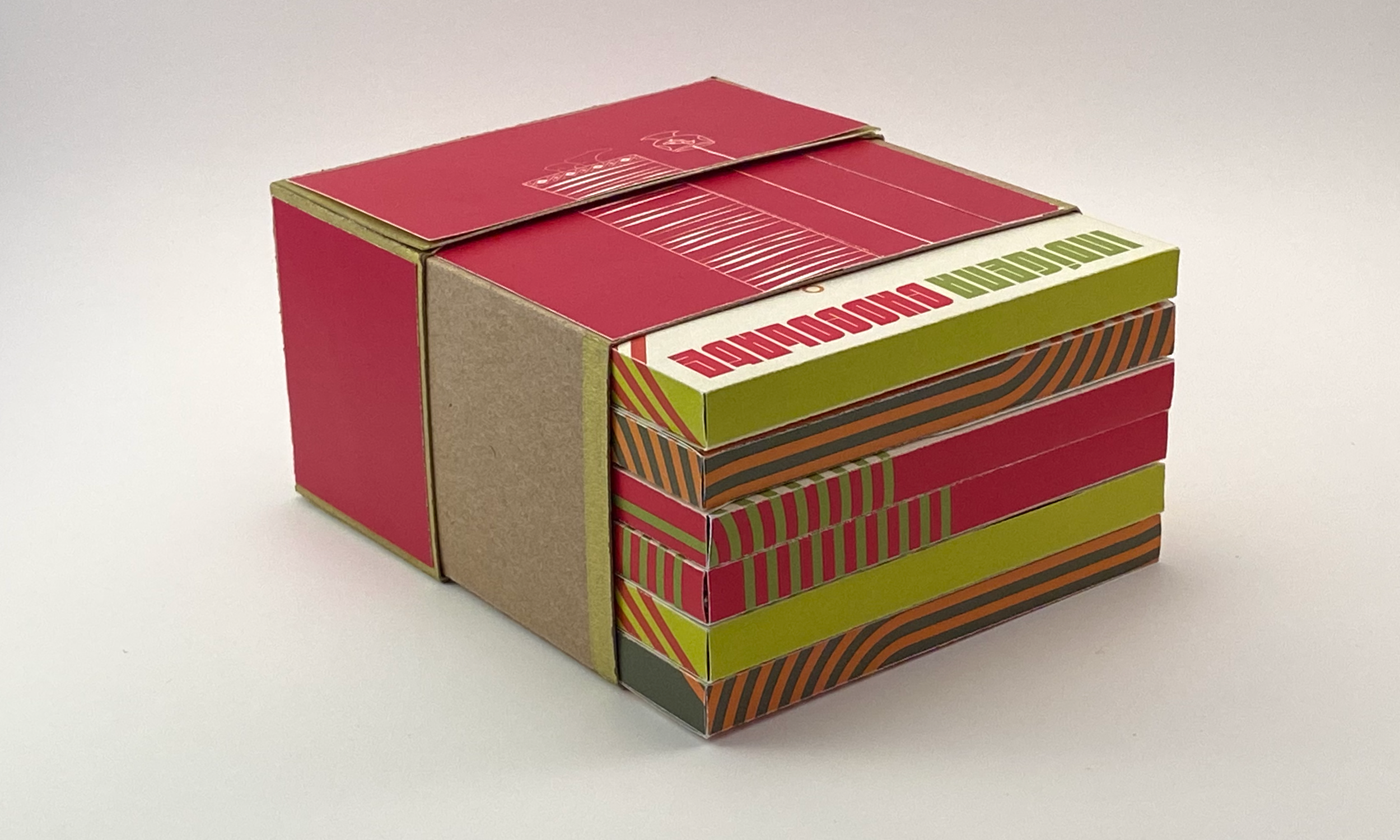
Indígena Chocolate. Mock-up, exterior box open with display of individual chocolate bars in exterior box, 01
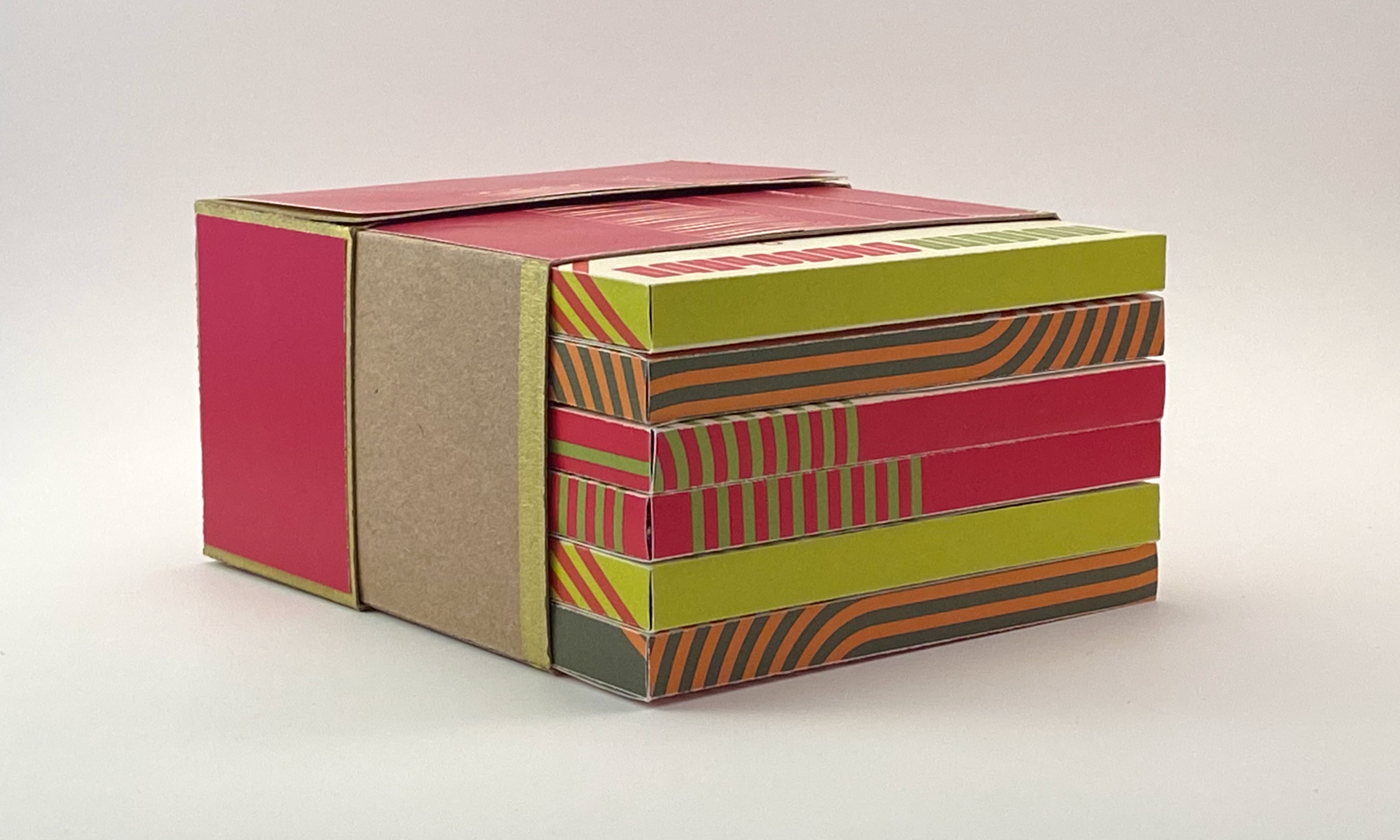
Indígena Chocolate. Mock-up, exterior box open with display of individual chocolate bars in exterior box, 02
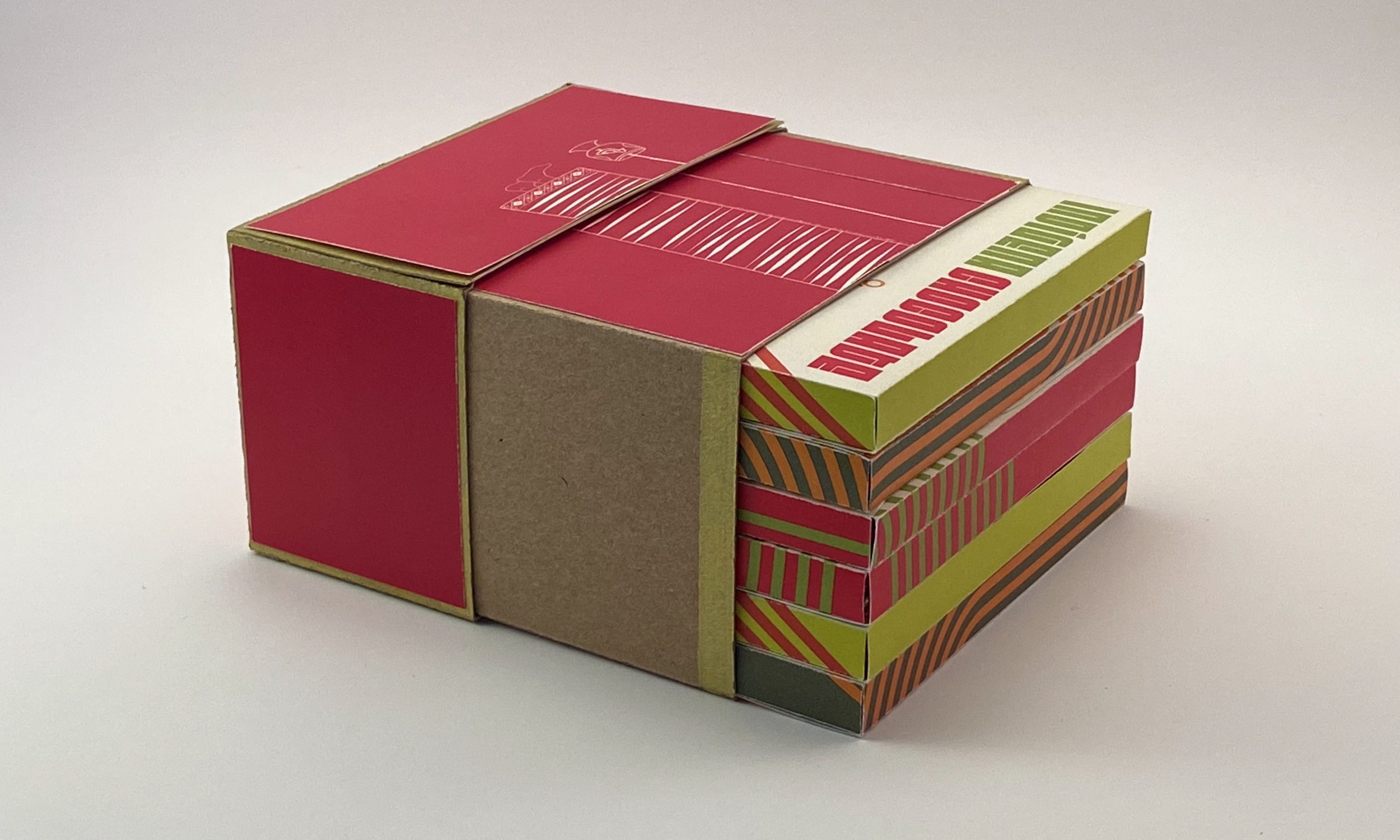
Indígena Chocolate. Mock-up, exterior box open with display of individual chocolate bars in exterior box, 03
MOCK-UP: INDIVIDUAL CHOCOLATE BARS, EXTERIOR WRAPPER DESIGNS
Click on images for large view.
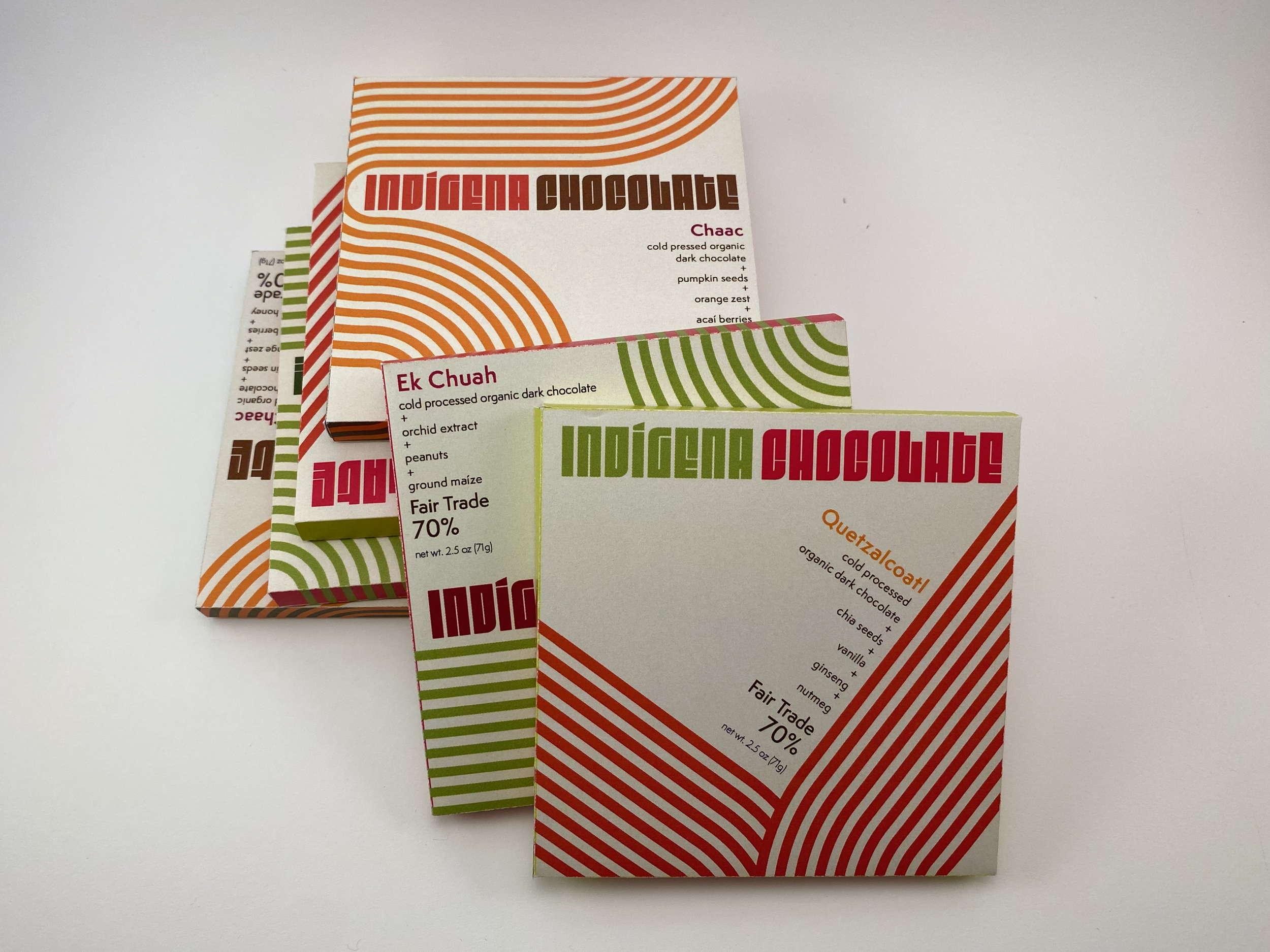
Indígena Chocolate. Mock-ups, individual chocolate bar outer wrappers
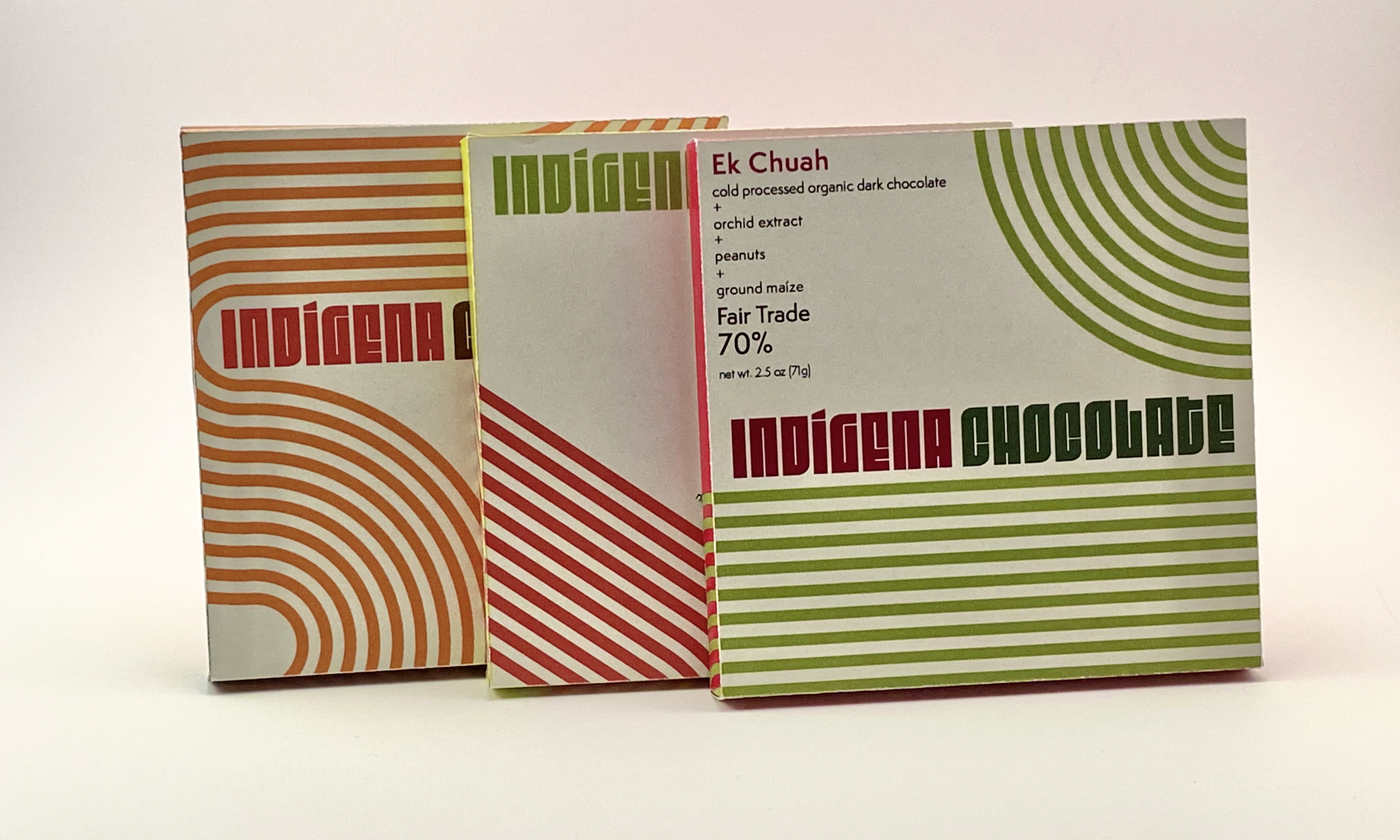
Indígena Chocolate. Mock-ups, individual chocolate bar outer wrappers
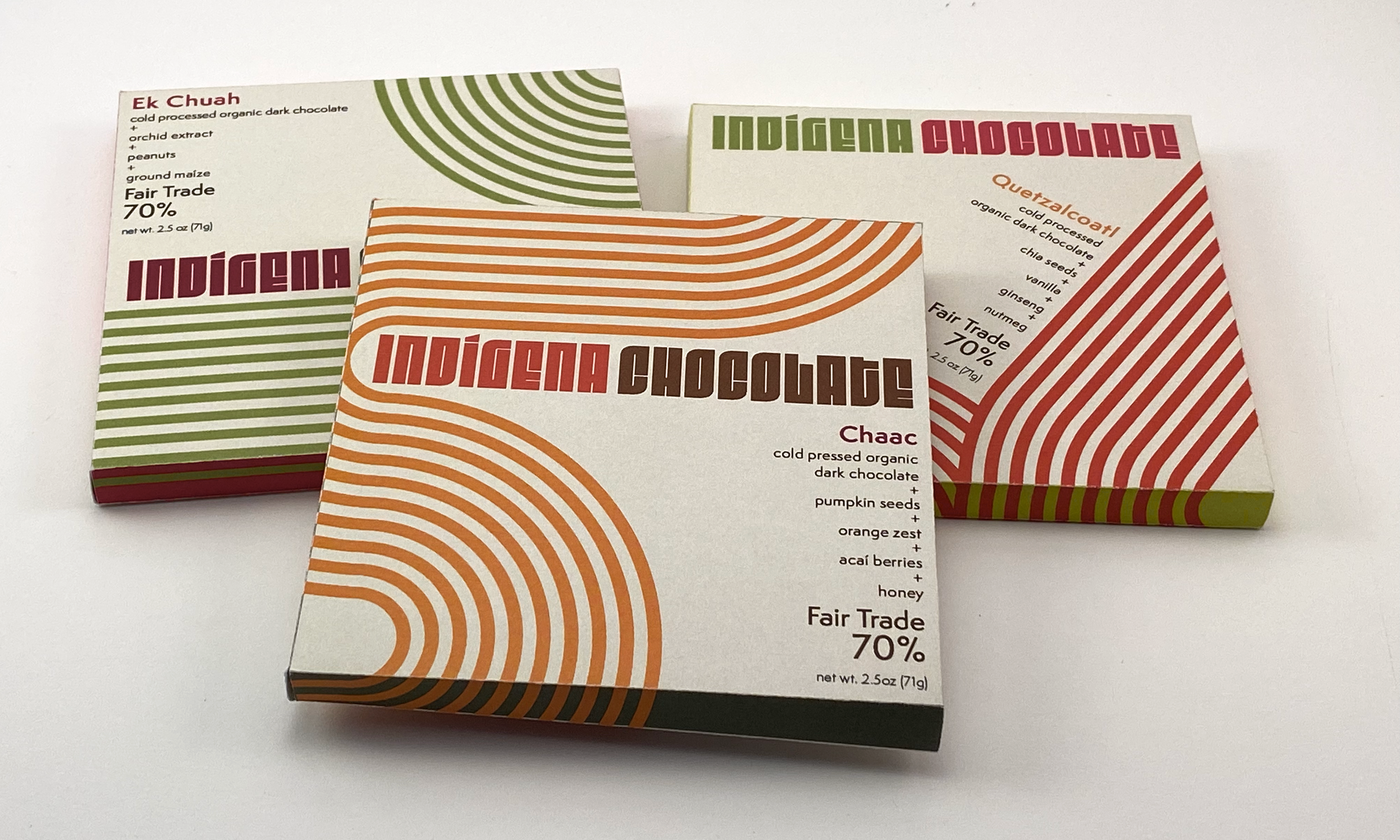
Indígena Chocolate. Mock-ups, individual chocolate bar wrappers, outer wrappers
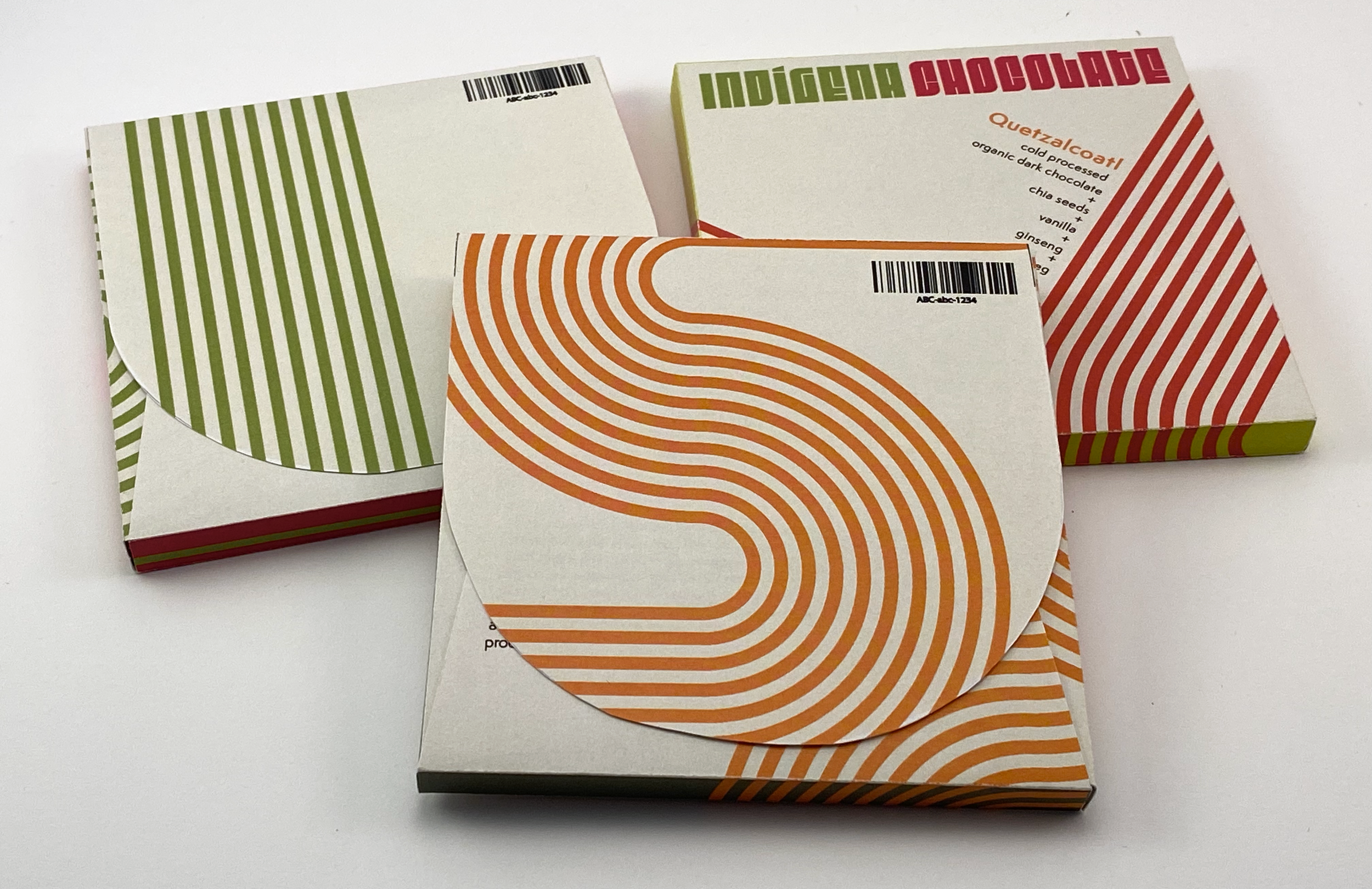
Indígena Chocolate. Mock-ups, individual chocolate bar, outer wrappers, back views
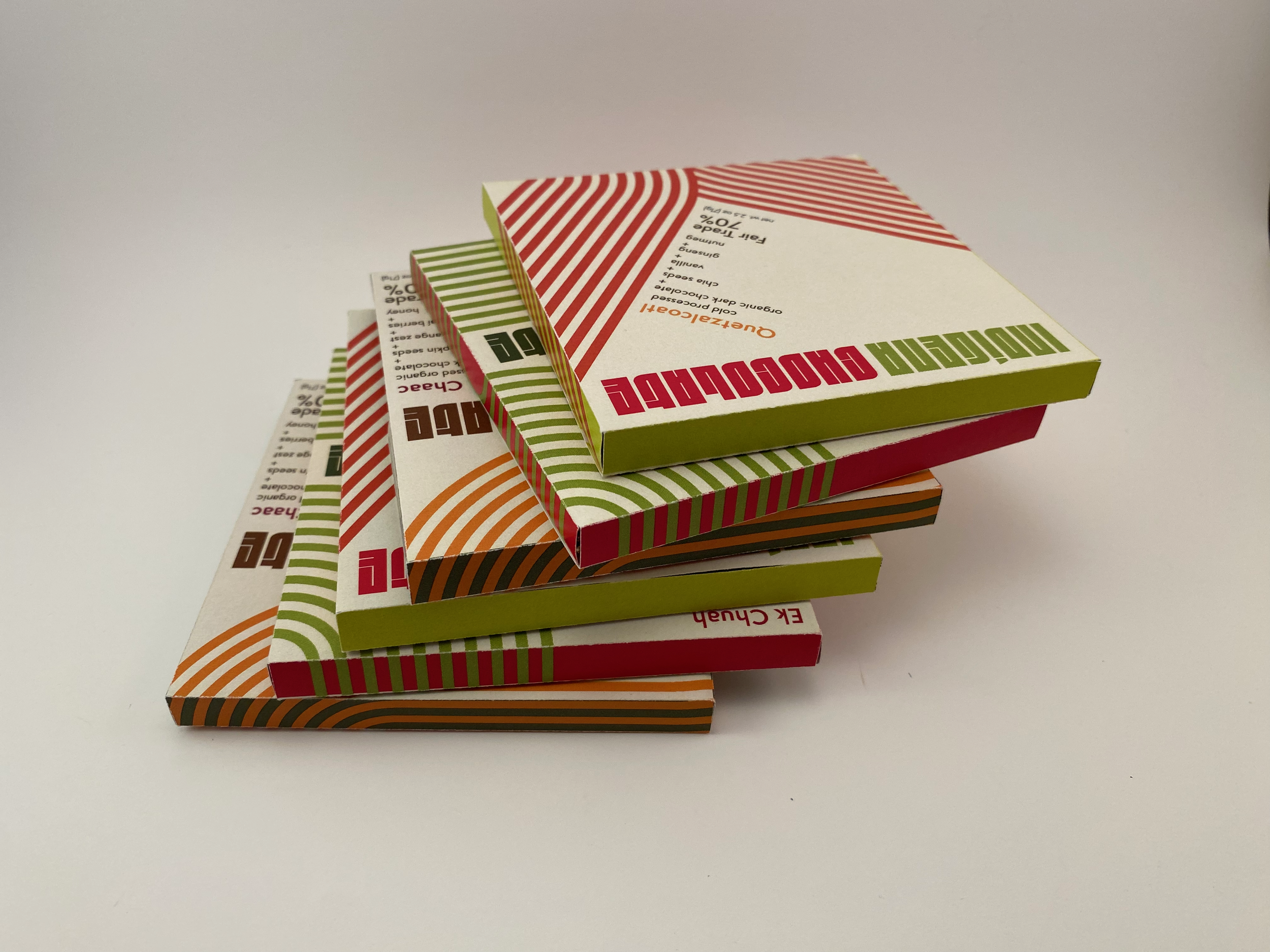
Indígena Chocolate. Mock-ups, individual chocolate bar outer wrappers
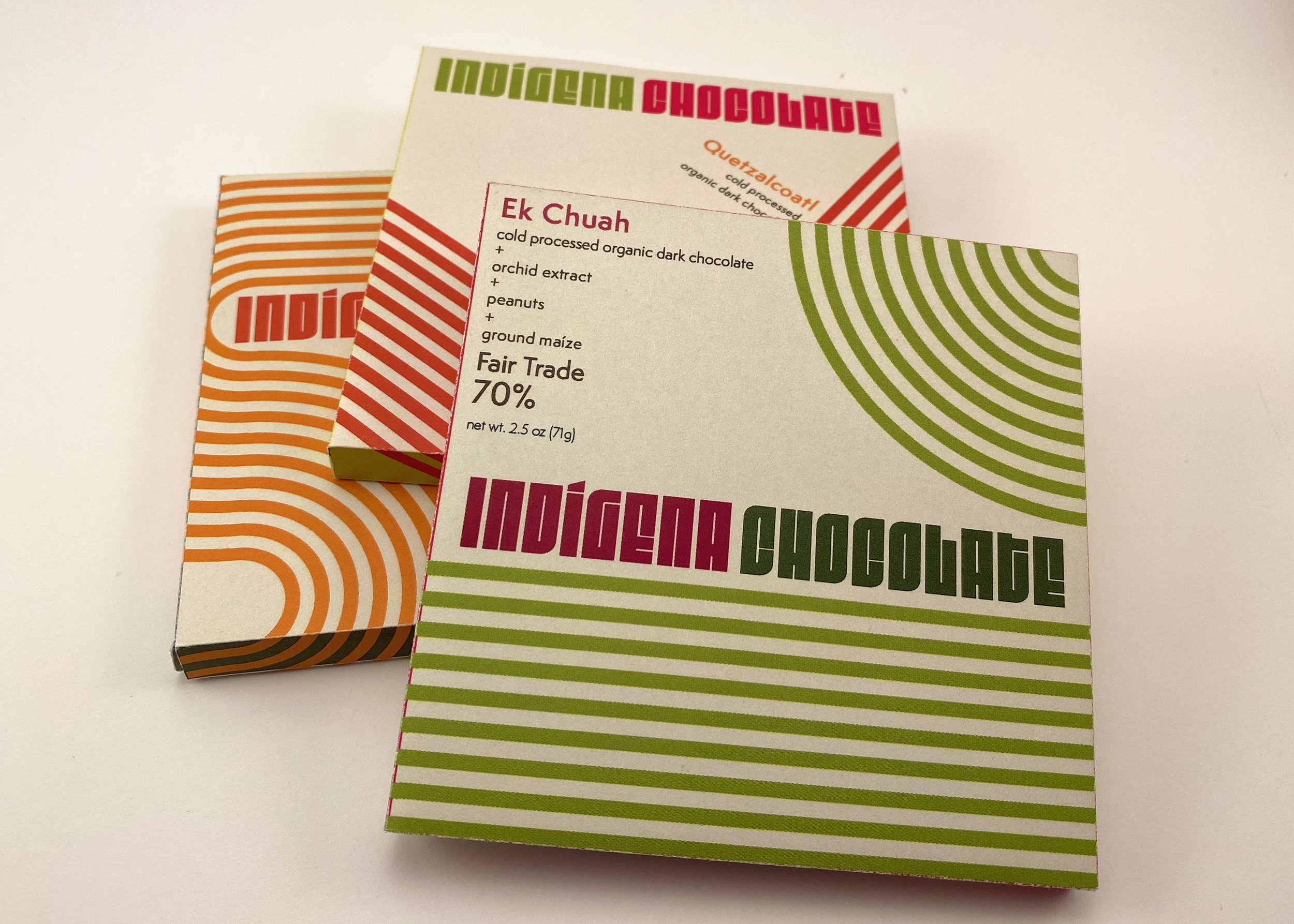
Indígena Chocolate. Mock-ups, individual chocolate bar outer wrappers
DETAILED VIEW: INDIVIDUAL CHOCOLATE BAR WRAPPERS
Exterior shape & measurements
Click on images for large view.
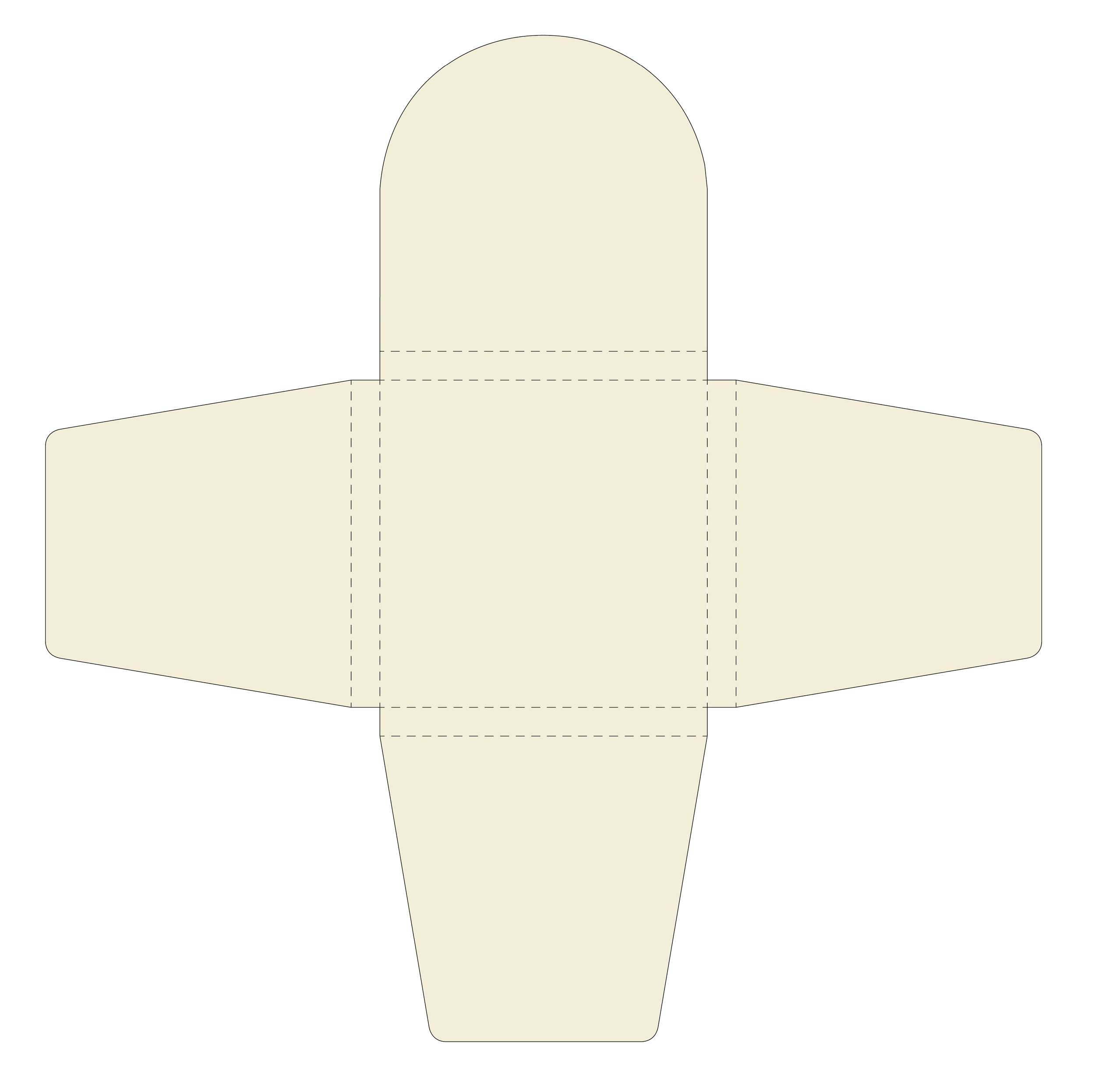
Exterior wrapper shape for individual chocolate bars

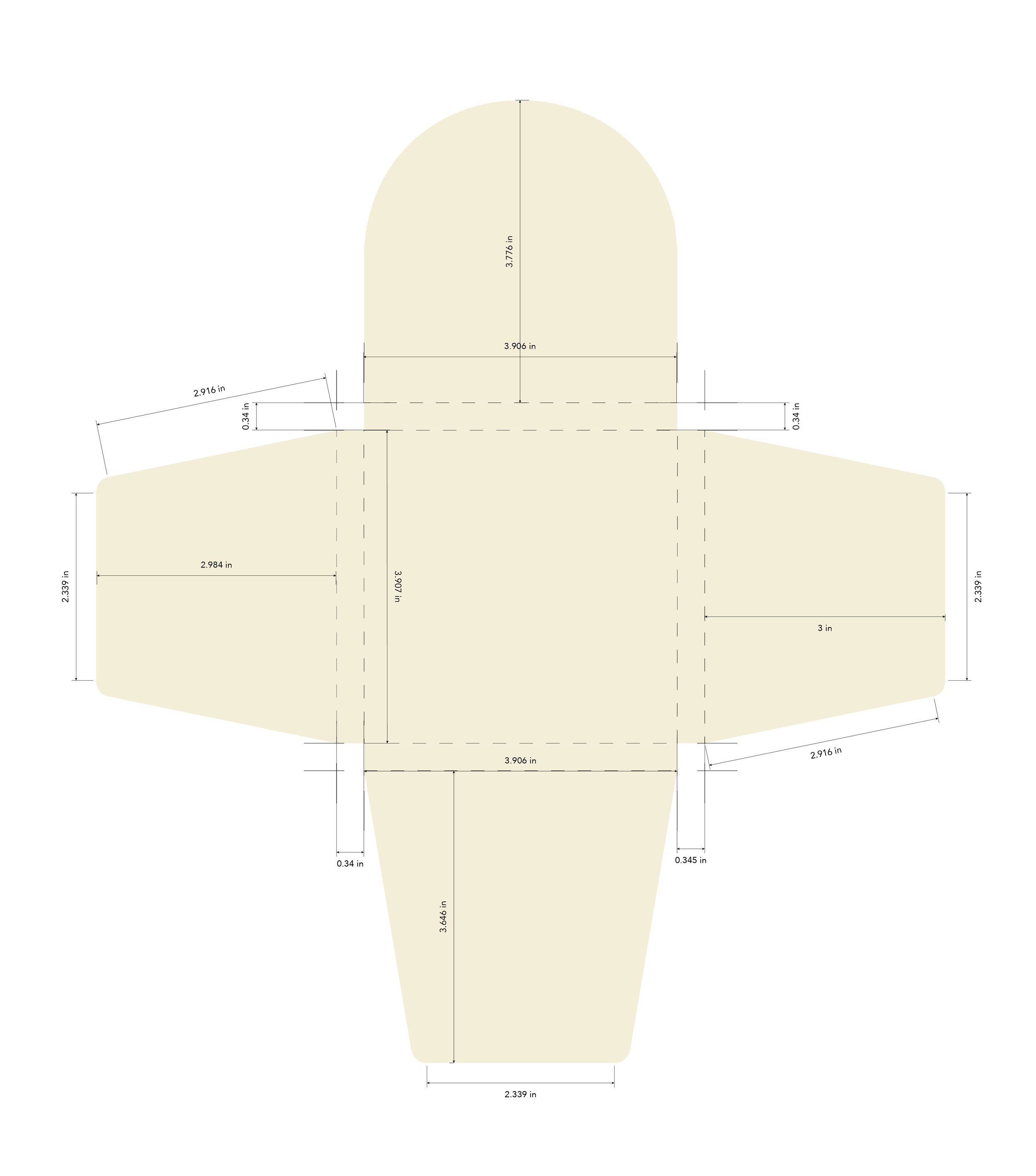
Exterior wrapper shape for individual chocolate bar with measurements
DETAILED VIEW: INDIVIDUAL CHOCOLATE BAR WRAPPER
Design 01: “Chaac Bar”
Click on images for large view.
Chaac Bar
Each bar of chocolate features a different flavor and is named after an ancient mesoamerican god. This wrapper’s interior image depicts a stylized illustration of an ancient jade mask commonly made by the ancient Olmec people of Mexico. The Olmec were the first to cultivate chocolate over 3,500 years ago. Chaac was worshipped as the patron god of cacao tree orchards. He is also the god of rain, thunder, and lightening. This god used a large axe to strike the clouds and incite them produce rain.
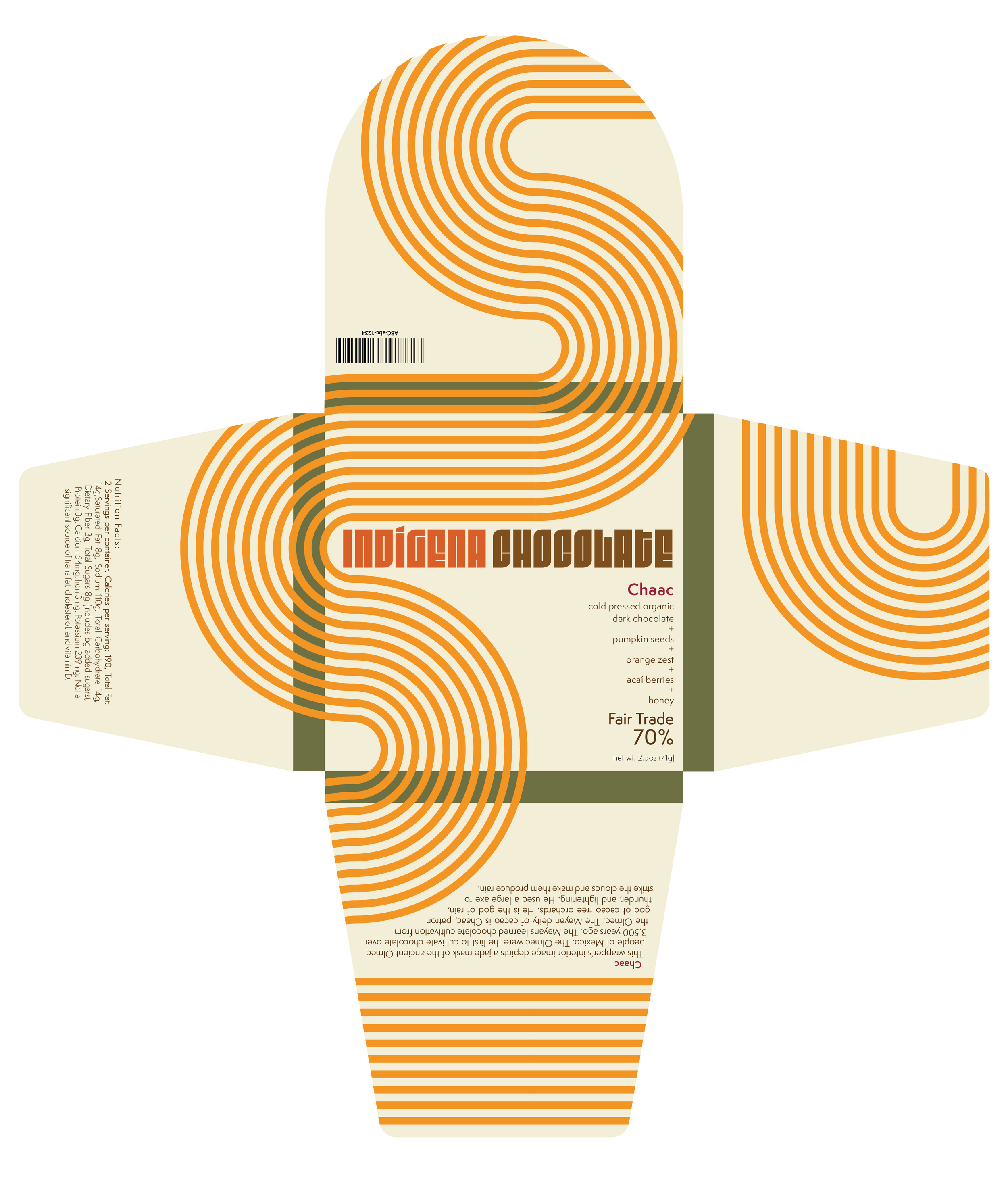
Chaac Bar. Full exterior wrapper design
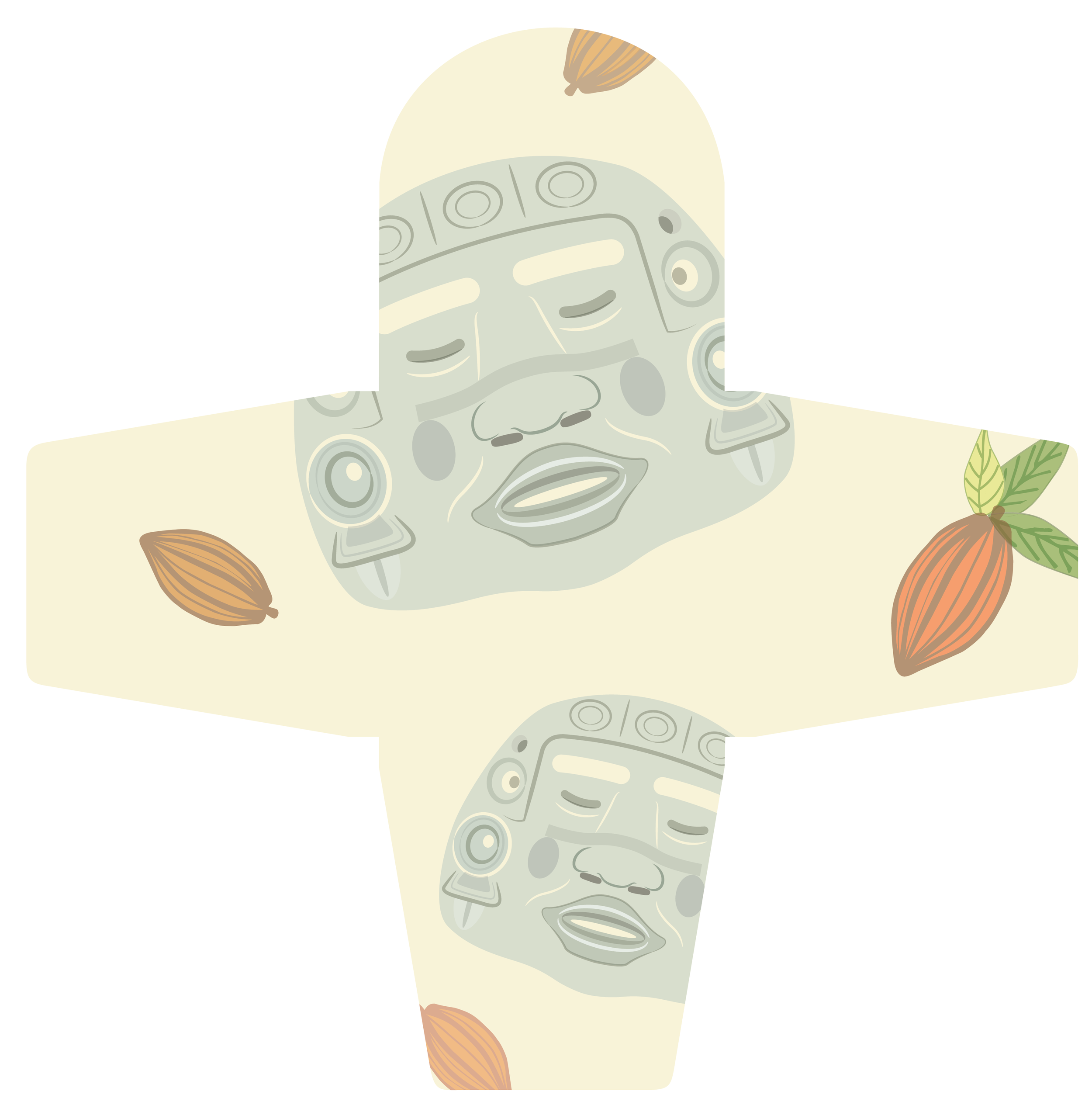
Chaac Bar. Interior wrapper design
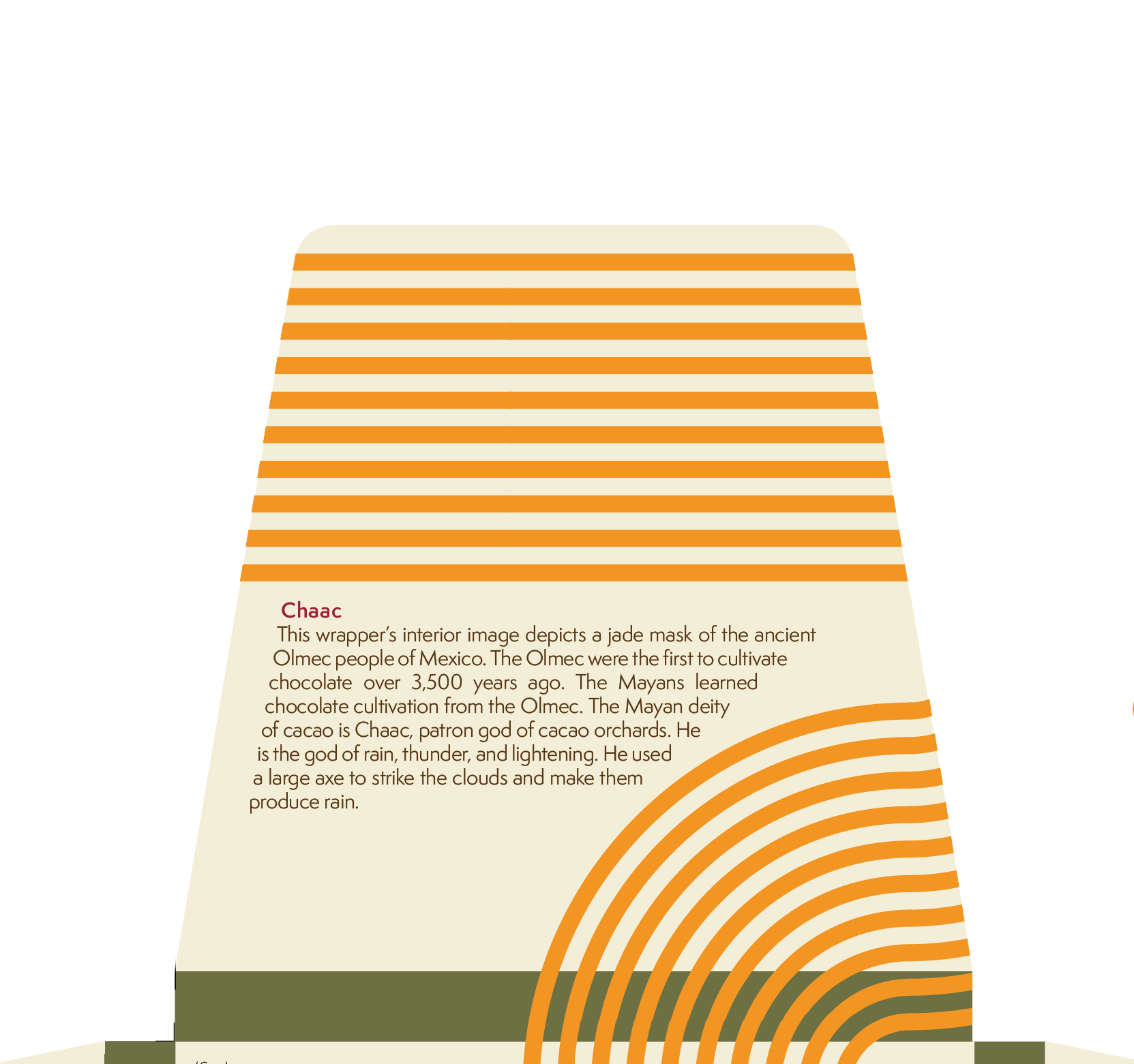
Chaac Bar. Detail, side flap, exterior wrapper design
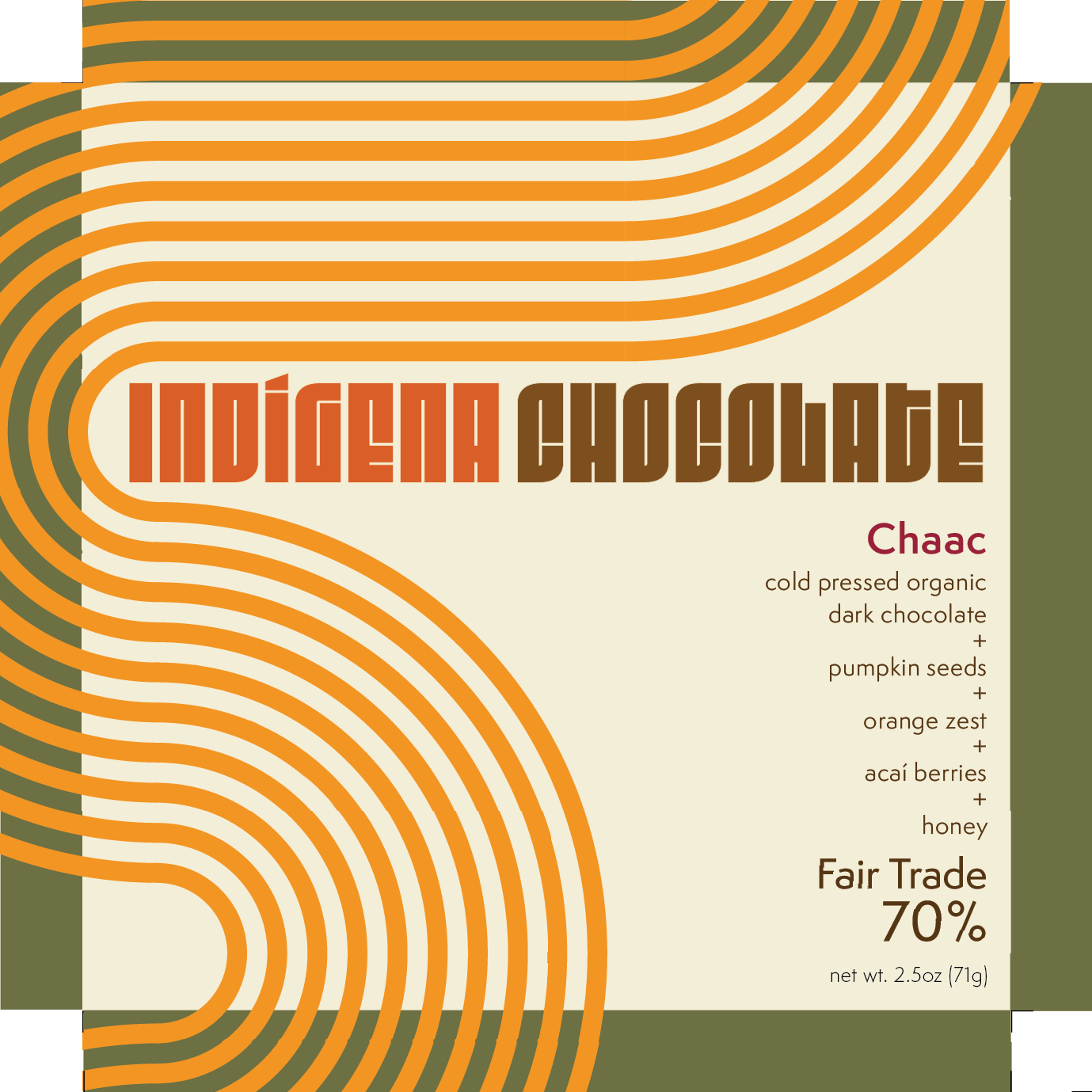
Chaac Bar. Detail, Exterior wrapper design
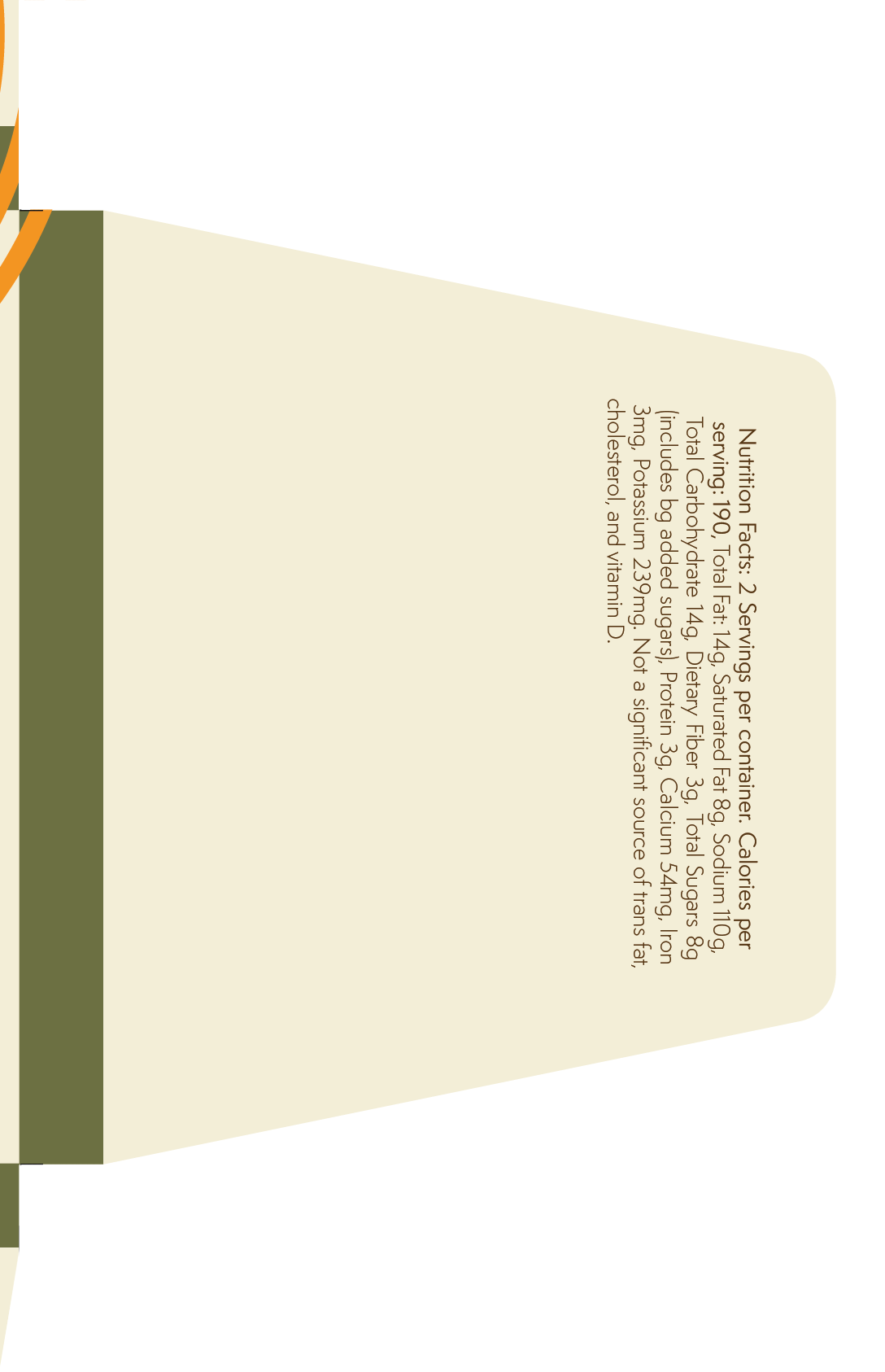
Chaac Bar. Detail, side flap, exterior wrapper design
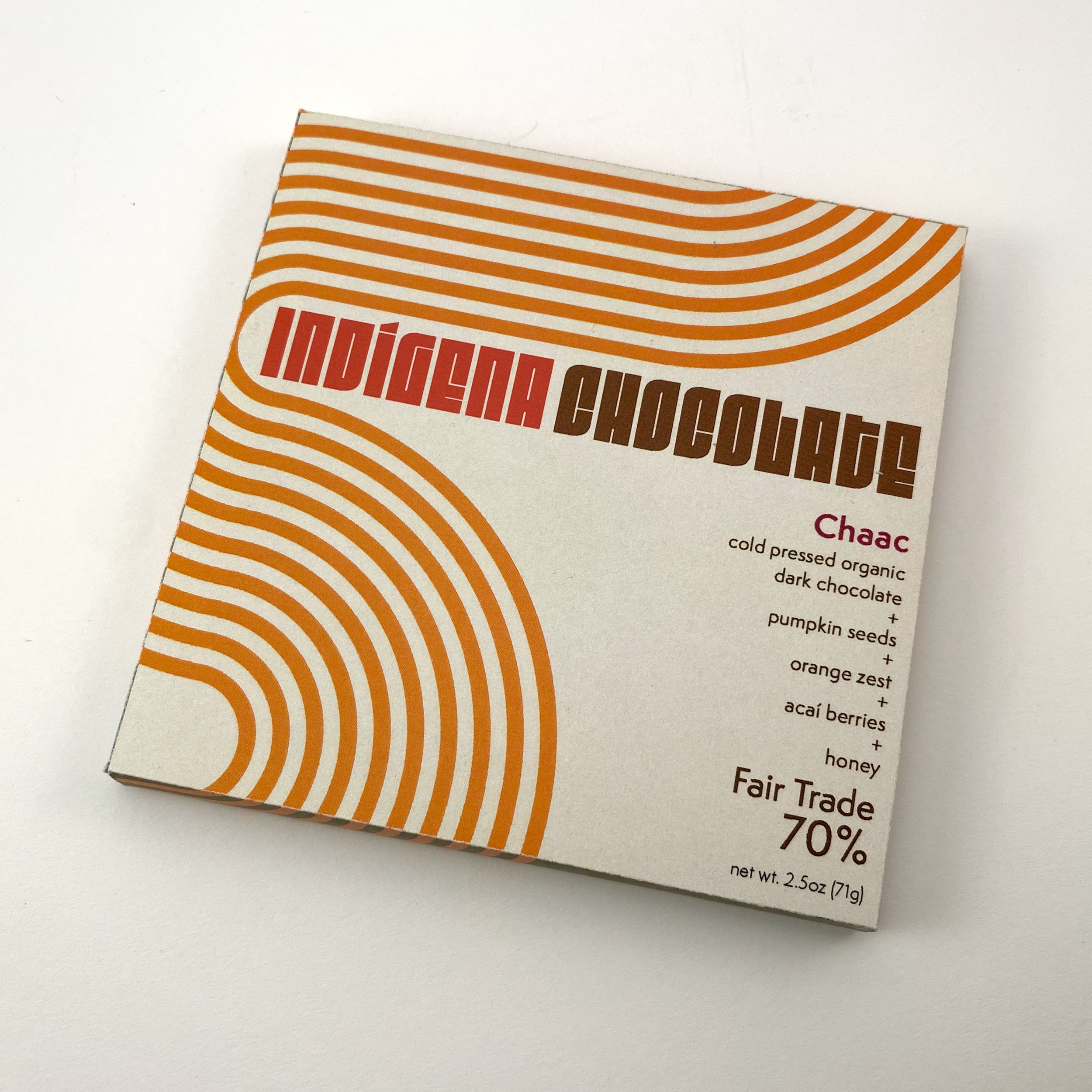
Chaac Bar. Mock-up, individual chocolate bar, exterior wrapper design
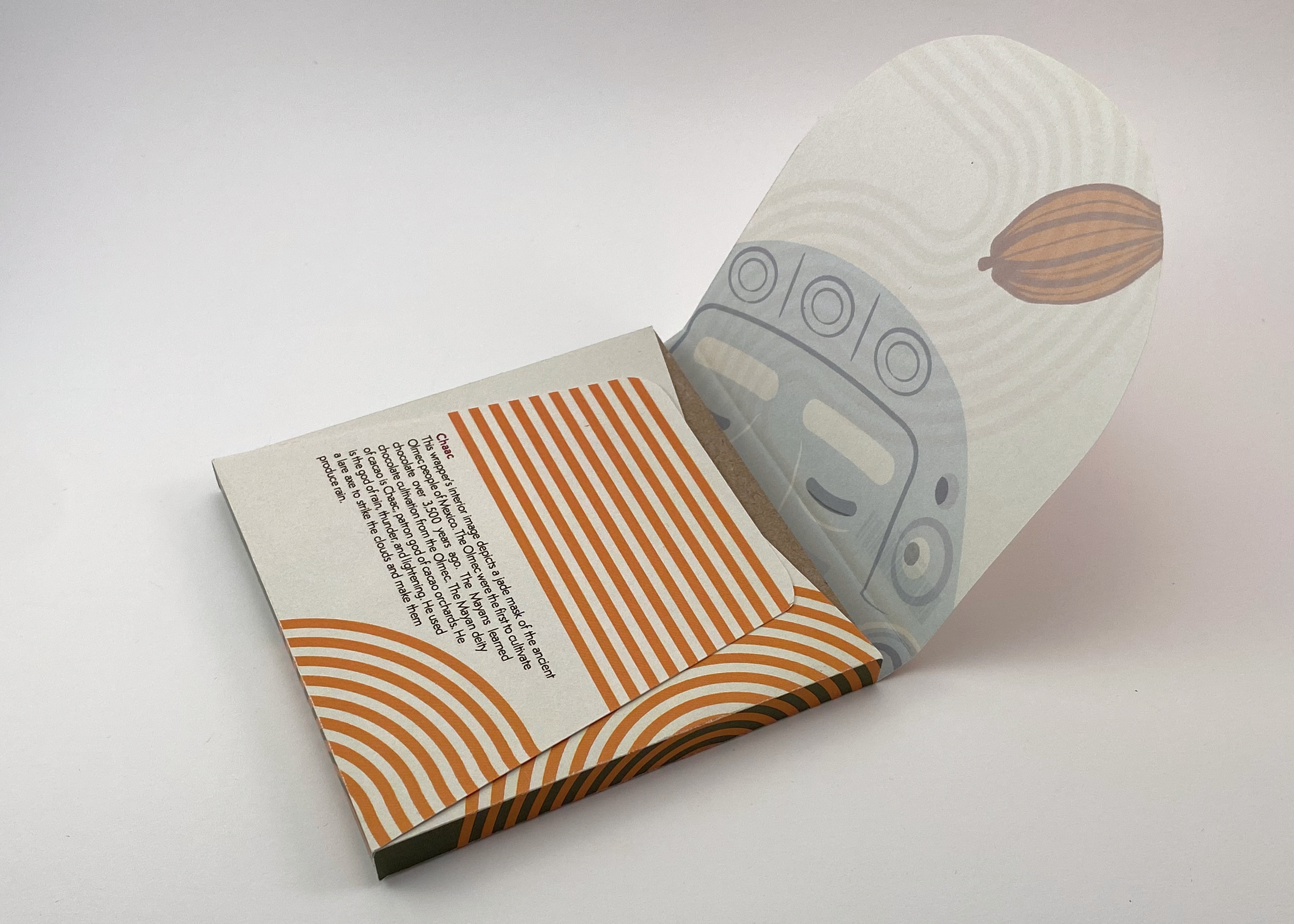
Chaac Bar. Mock-up, individual chocolate bar, exterior & interior wrapper design view, back
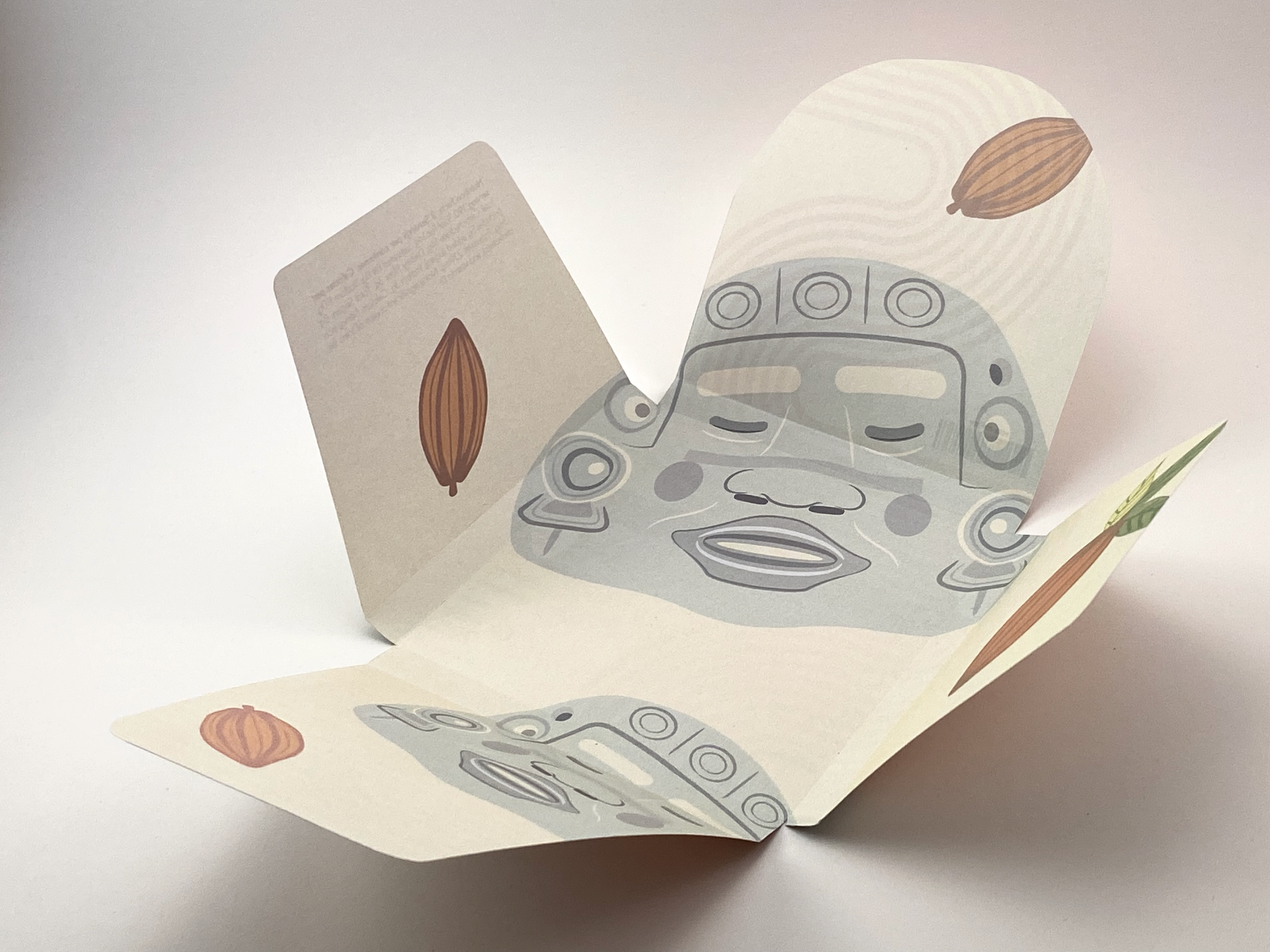
Chaac Bar. Mock-up, individual chocolate bar, view of interior wrapper design
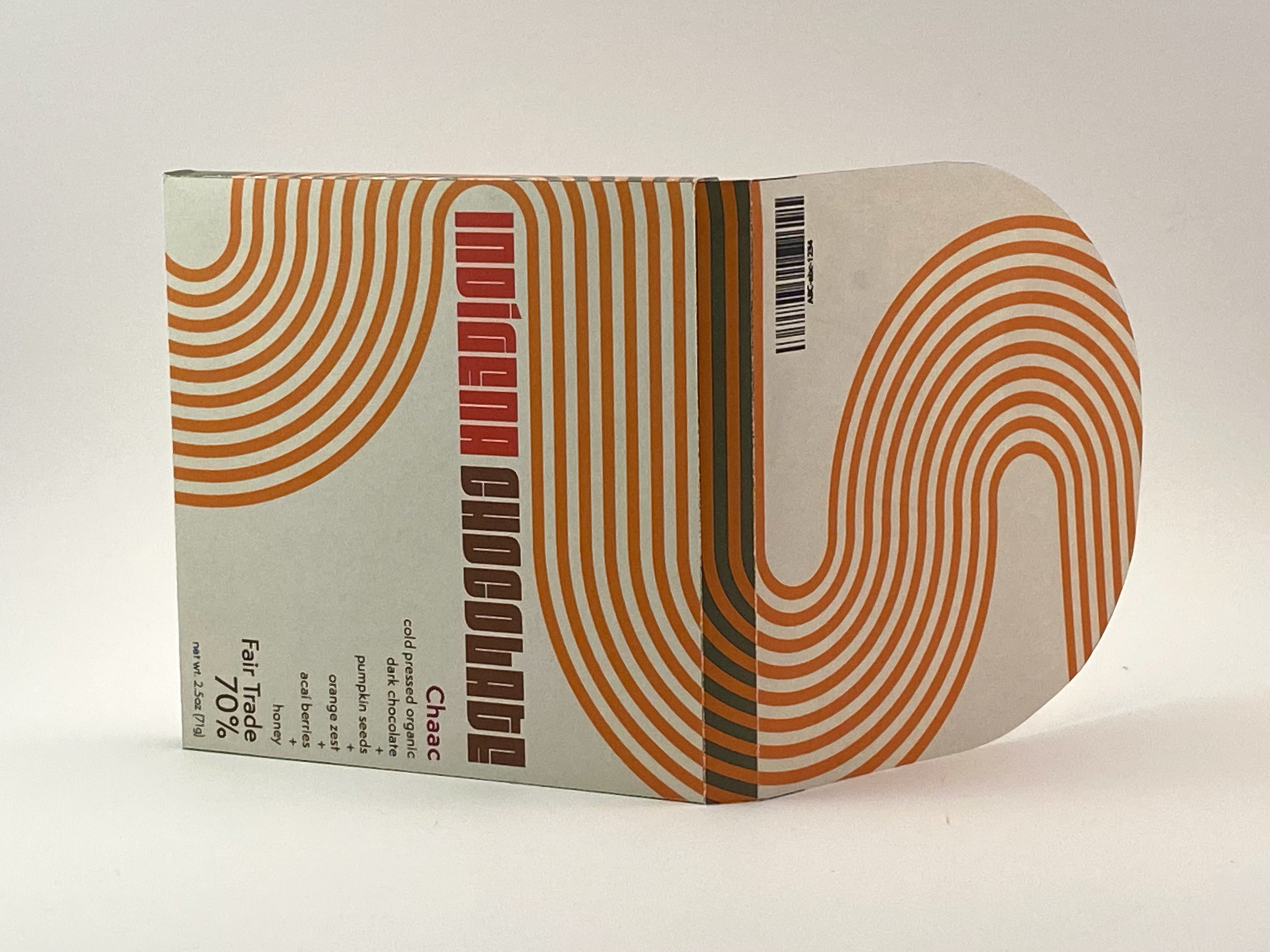
Chaac Bar. Mock-up, individual chocolate bar, exterior wrapper design. View of front + back flap of wrapper.
DETAILED VIEW: INDIVIDUAL CHOCOLATE BAR WRAPPER
Design 02: “Ek Chuah Bar”
Click on images for large view.
Ek Chuah Bar
This wrapper’s interior imagery features illustrations of the ancient Mayan hieroglyphic writing for “chocolate” along with illustrations of cacao beans. Cacao trees & their large bean pods are the source of all chocolate.
In ancient Mayan writing, the written symbol for chocolate was a drawing of the Mayan god “Ek Chuah.” This god was both the Mayan god of merchants and also the patron god of cacao. Cacao was one of the most important products traded by the ancient Maya and was used as currency.
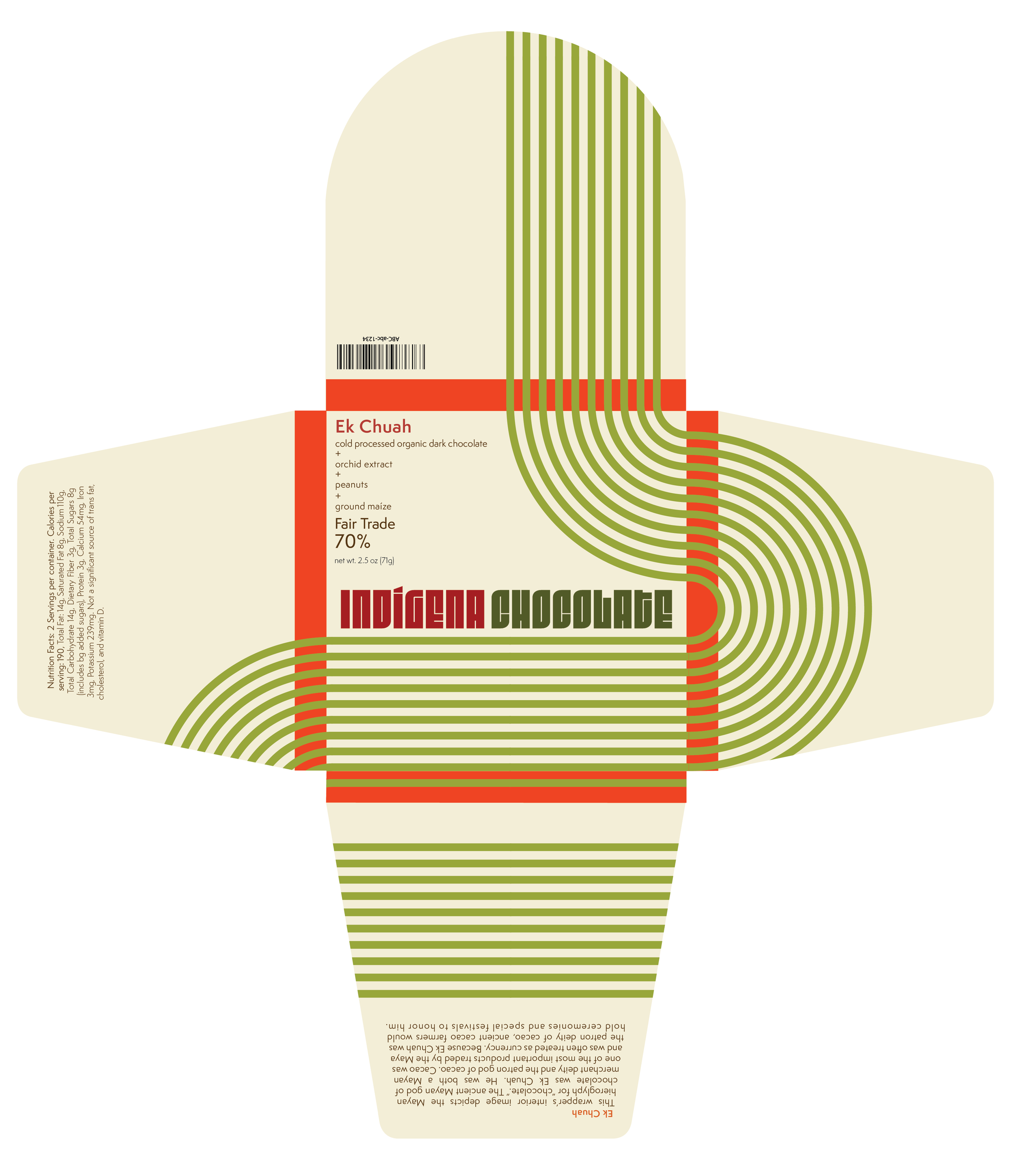
Ek Chuah Bar. Full exterior wrapper design
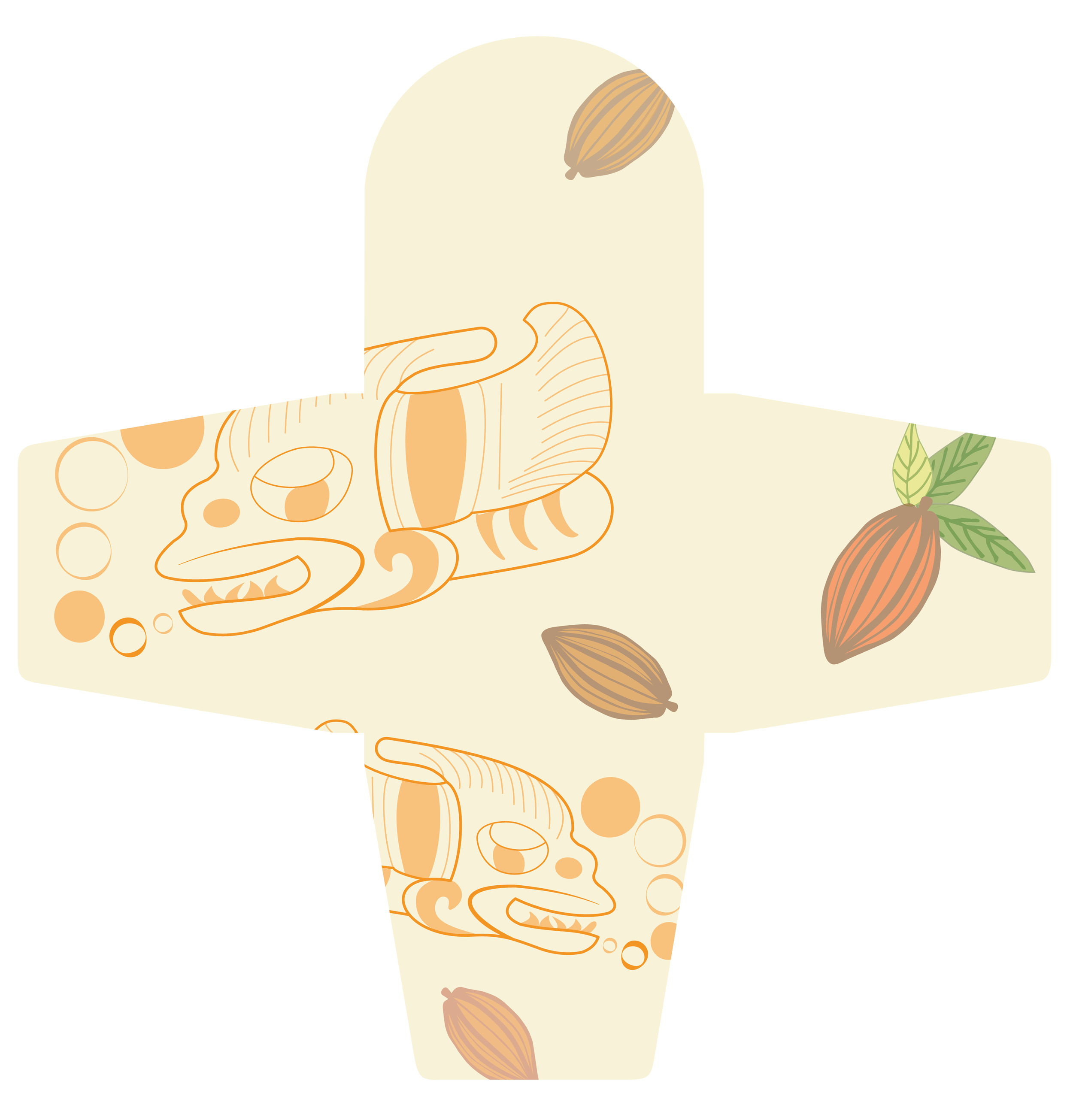
Ek Chuah Bar. Interior wrapper design
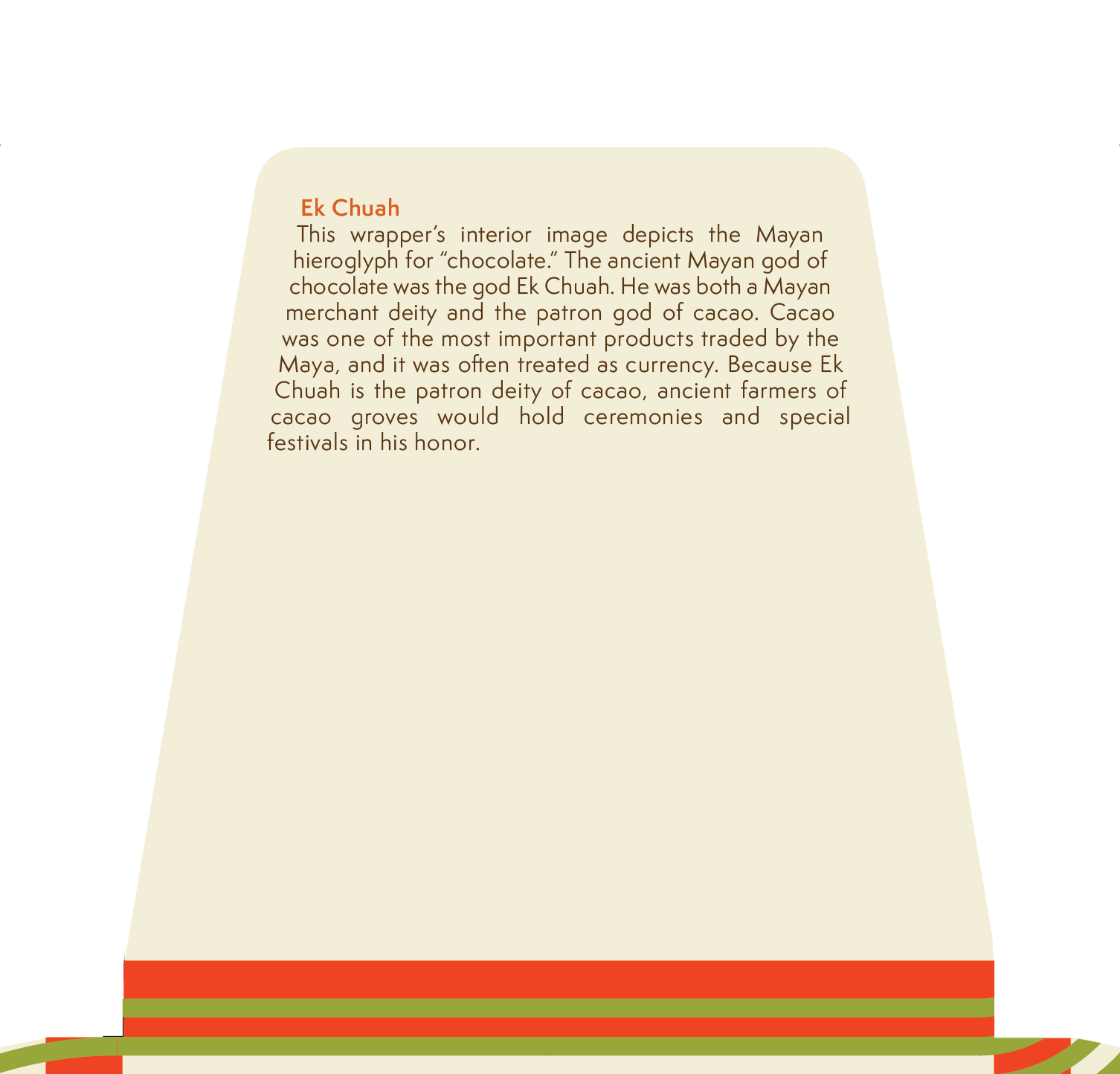
Ek Chuah Bar. Detail, side flap, exterior wrapper design
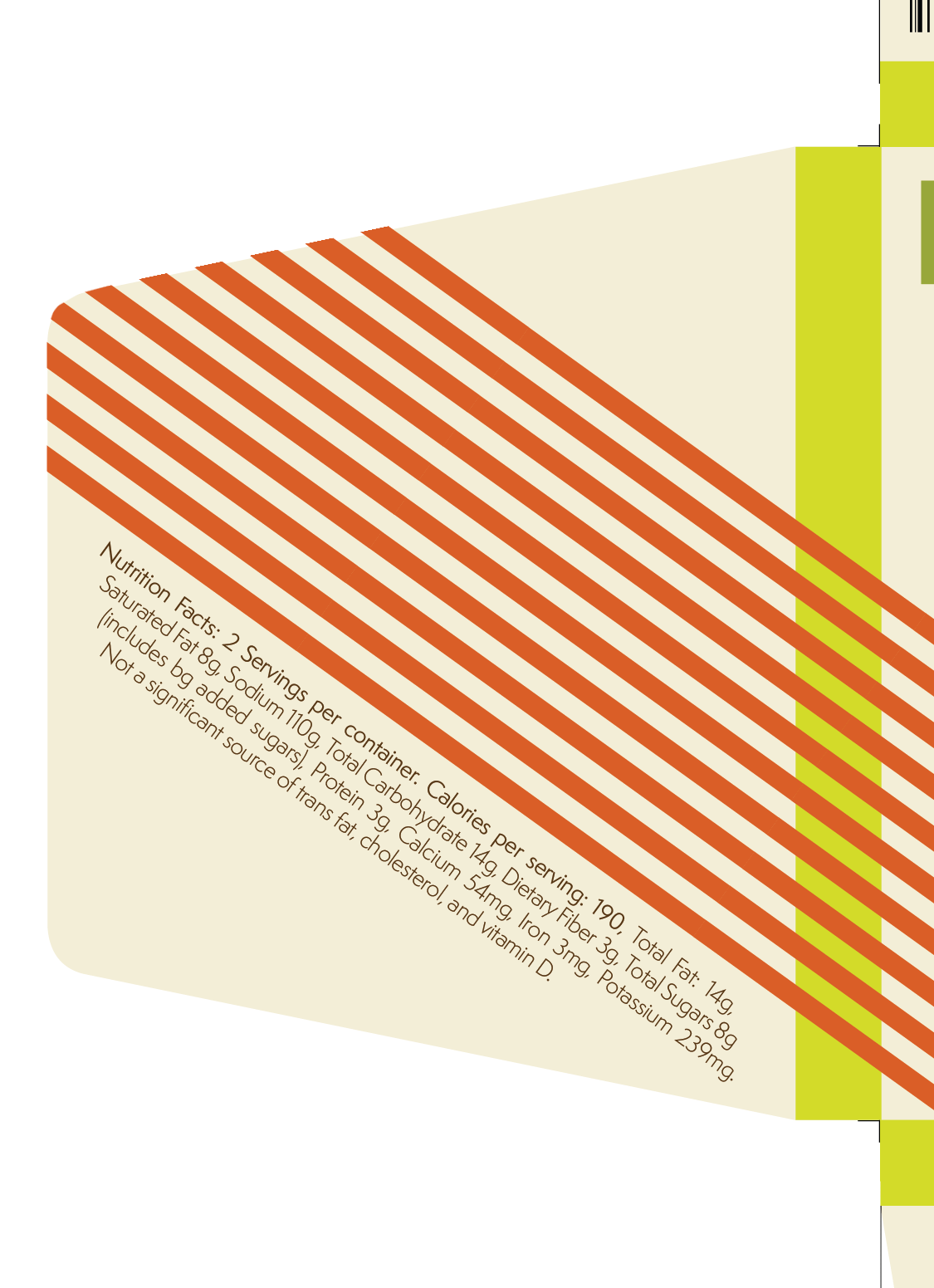
Ek Chuah Bar. Detail, side flap, exterior wrapper design
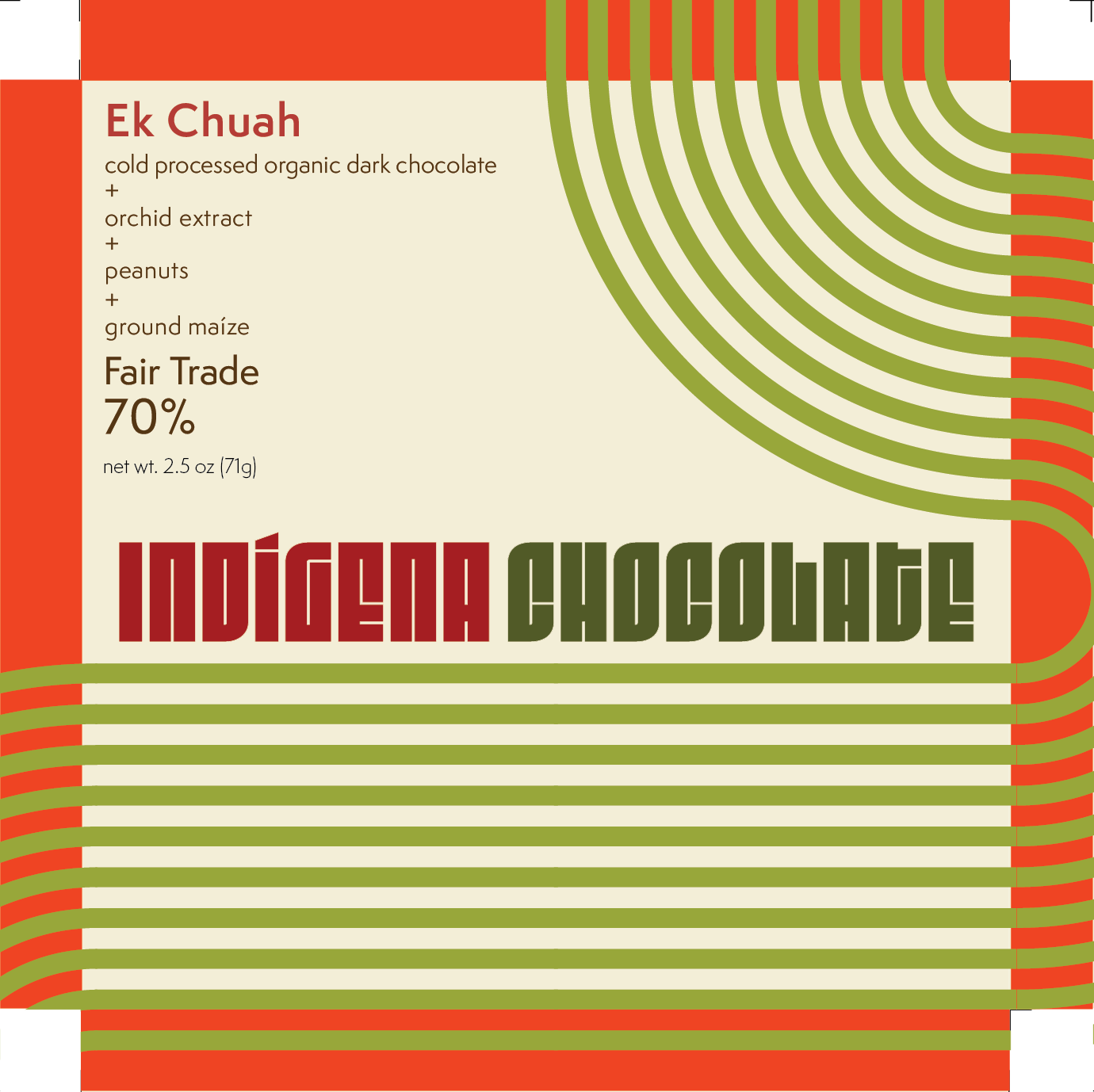
Ek Chuah Bar. Detail, exterior wrapper design
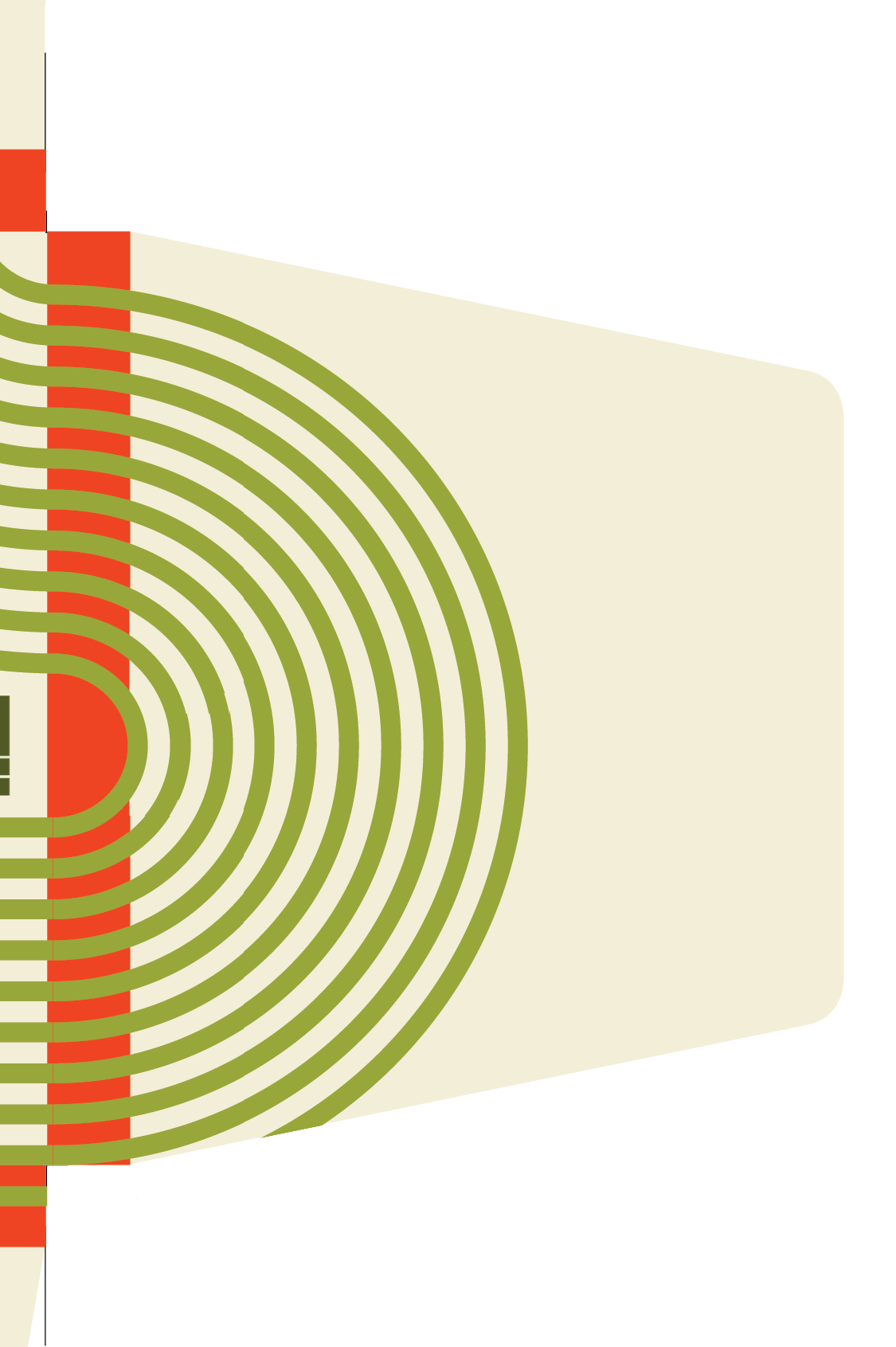
Ek Chuah Bar. Detail, side flap, exterior wrapper design
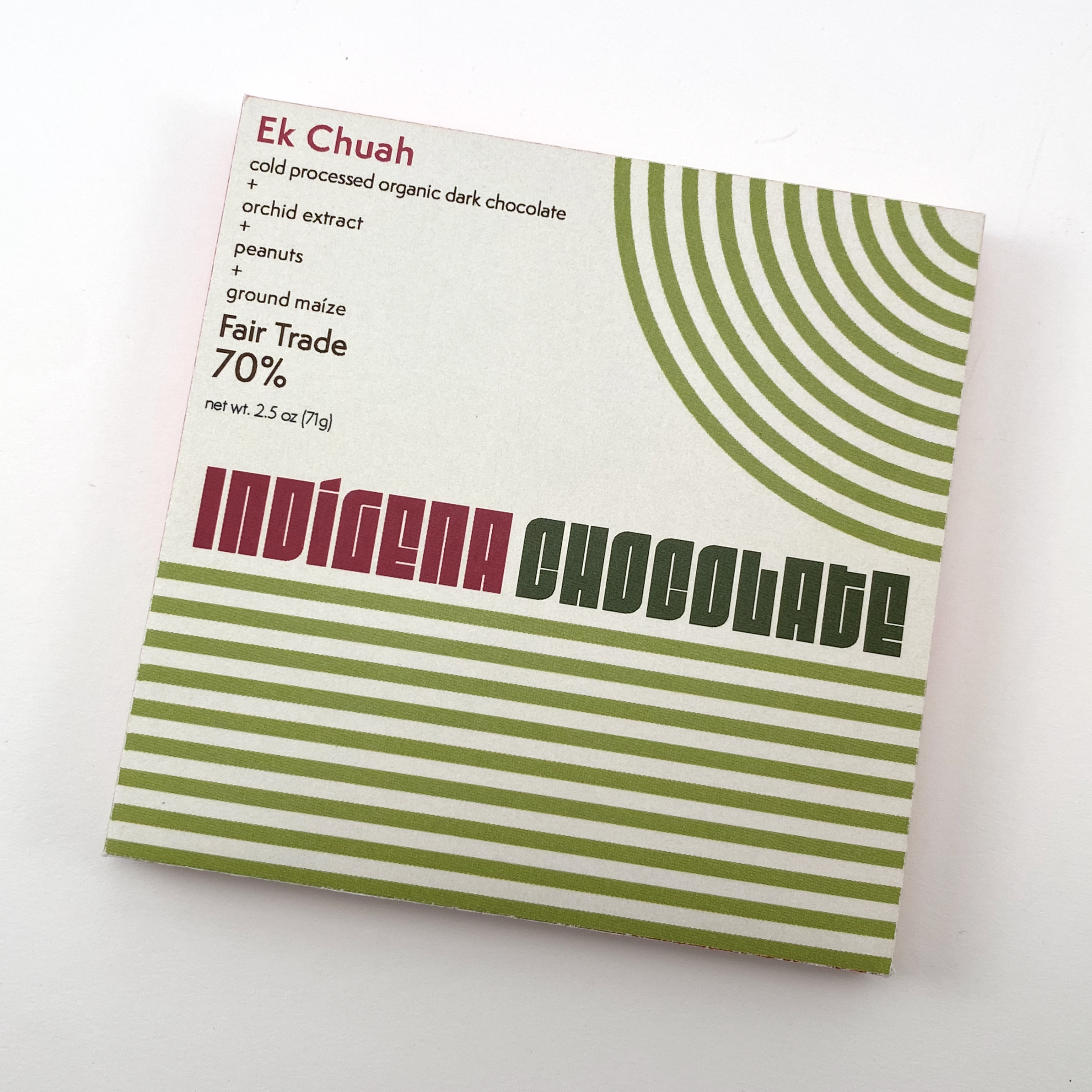
Ek Chuah Bar. Mock-up, exterior wrapper design
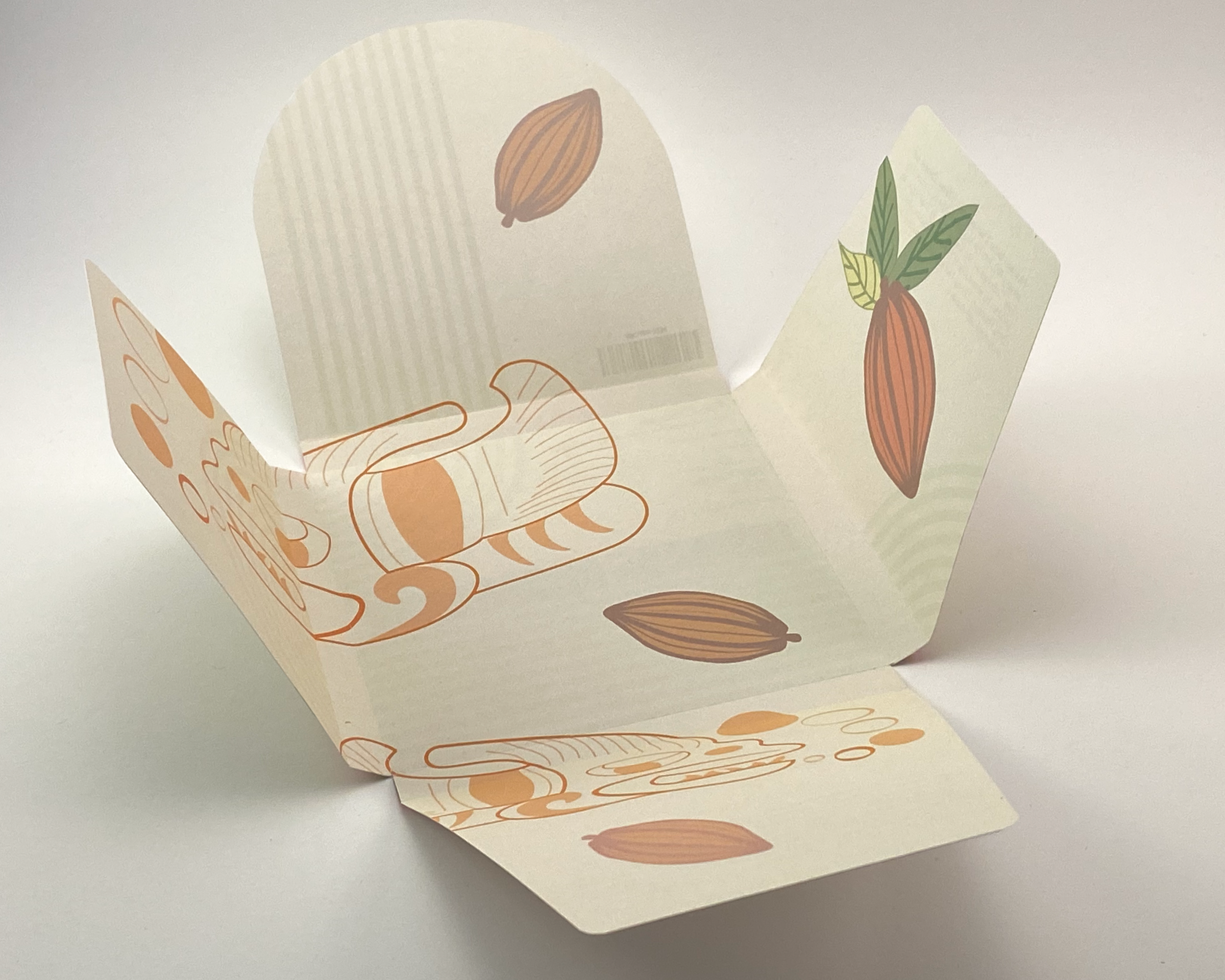
Ek Chuah Bar. Mock-up, interior wrapper design
DETAILED VIEW: INDIVIDUAL CHOCOLATE BAR WRAPPER
Design 03: “Quetzalcoatl Bar”
Click on images for large view.
Quetzalcoatl Bar
Interior wrapper imagery depicts the Mayan deity Quetzalcoatl (pronounced: ketz-ALL-quat-all). An ancient, Mexican Toltec myth identifies Quetzalcoatl, a god represented as a snake with feathers, as the first to plant cacao trees in Southern Mexico. Quetzalcoatl was highly revered by ancient Mesoamerican peoples and known as “the god of light, the giver of the drink of the gods: chocolate.”
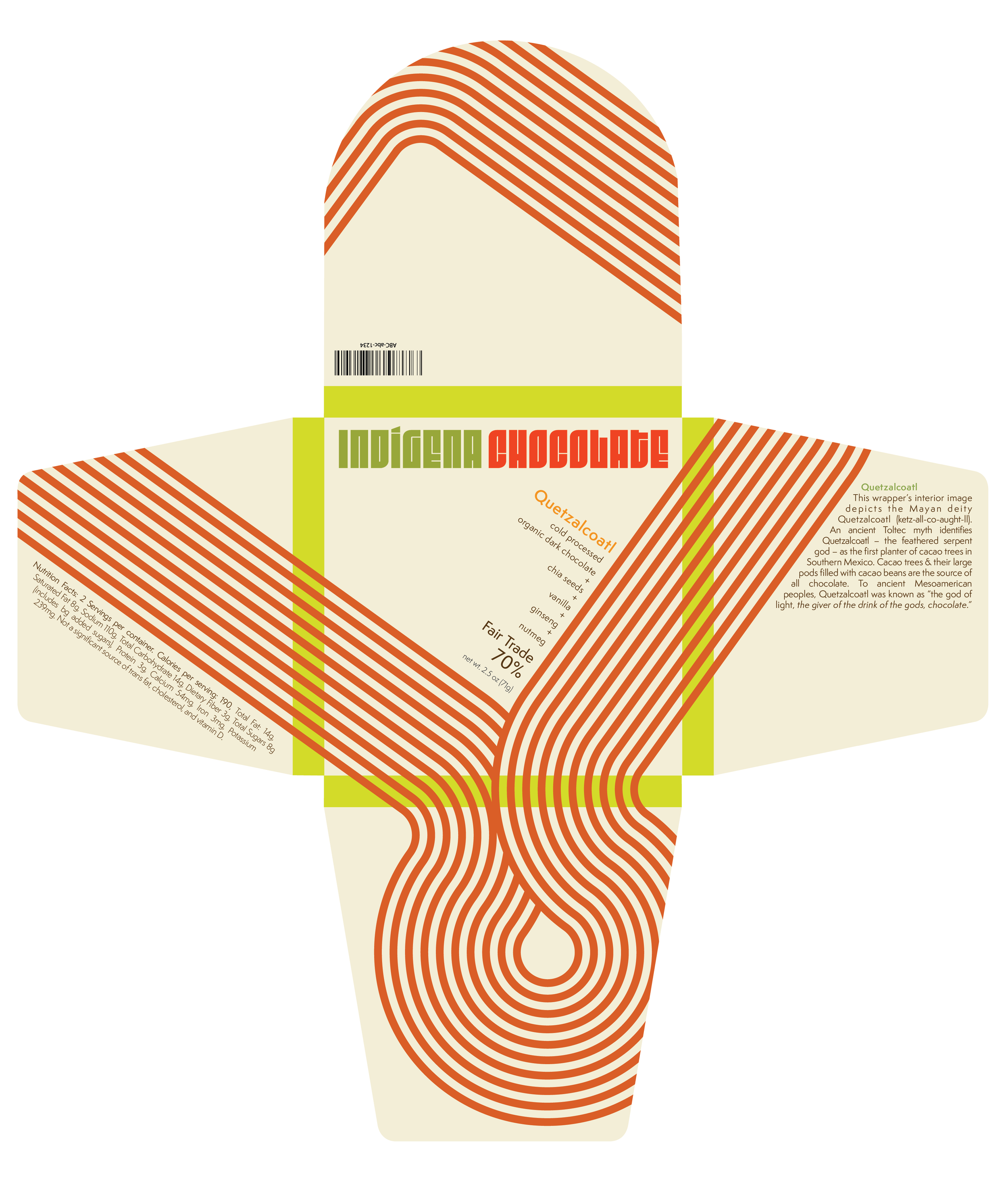
Quetzalcoatl Bar. Full exterior wrapper design
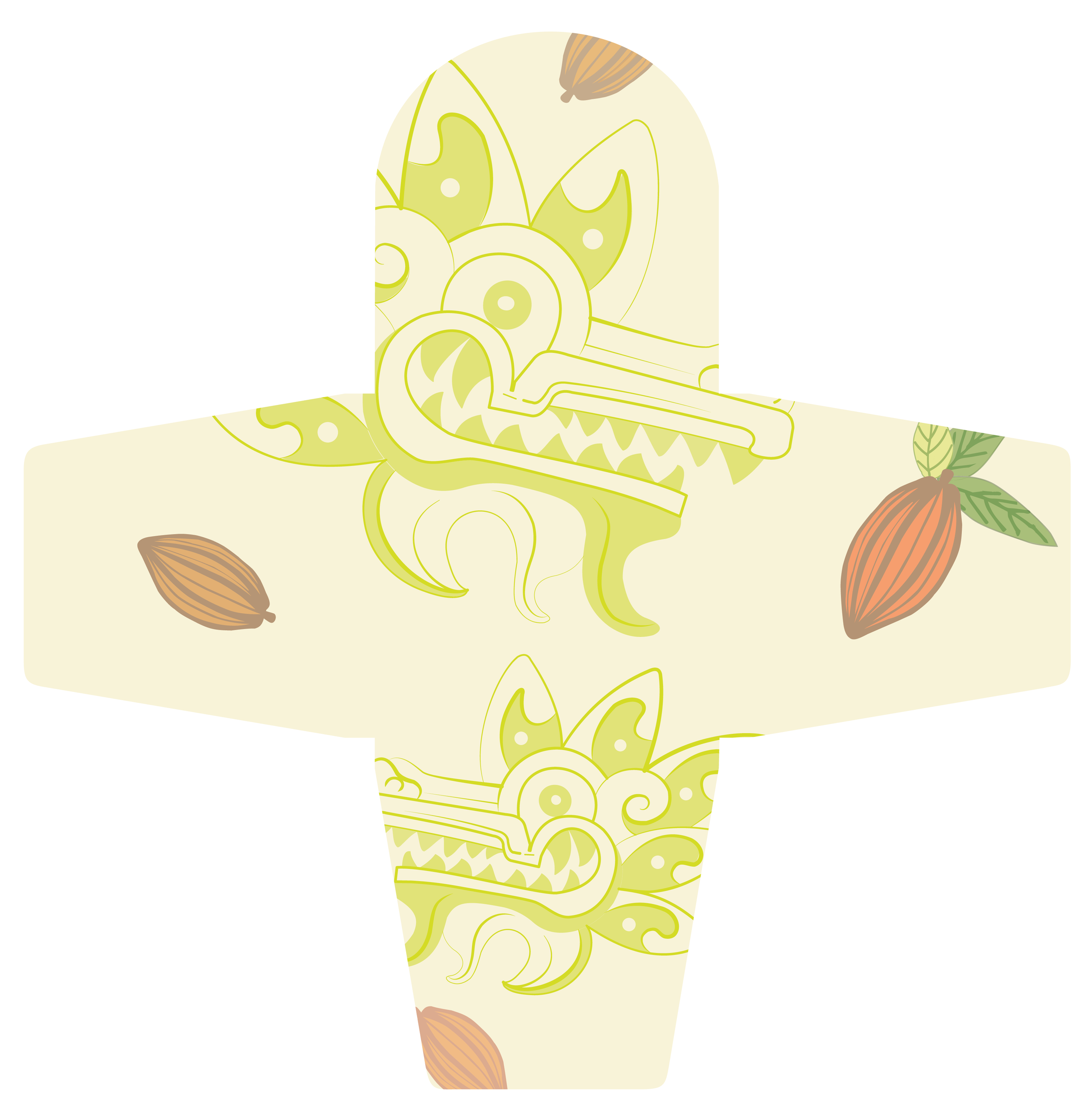
Quetzalcoatl Bar. Interior wrapper design
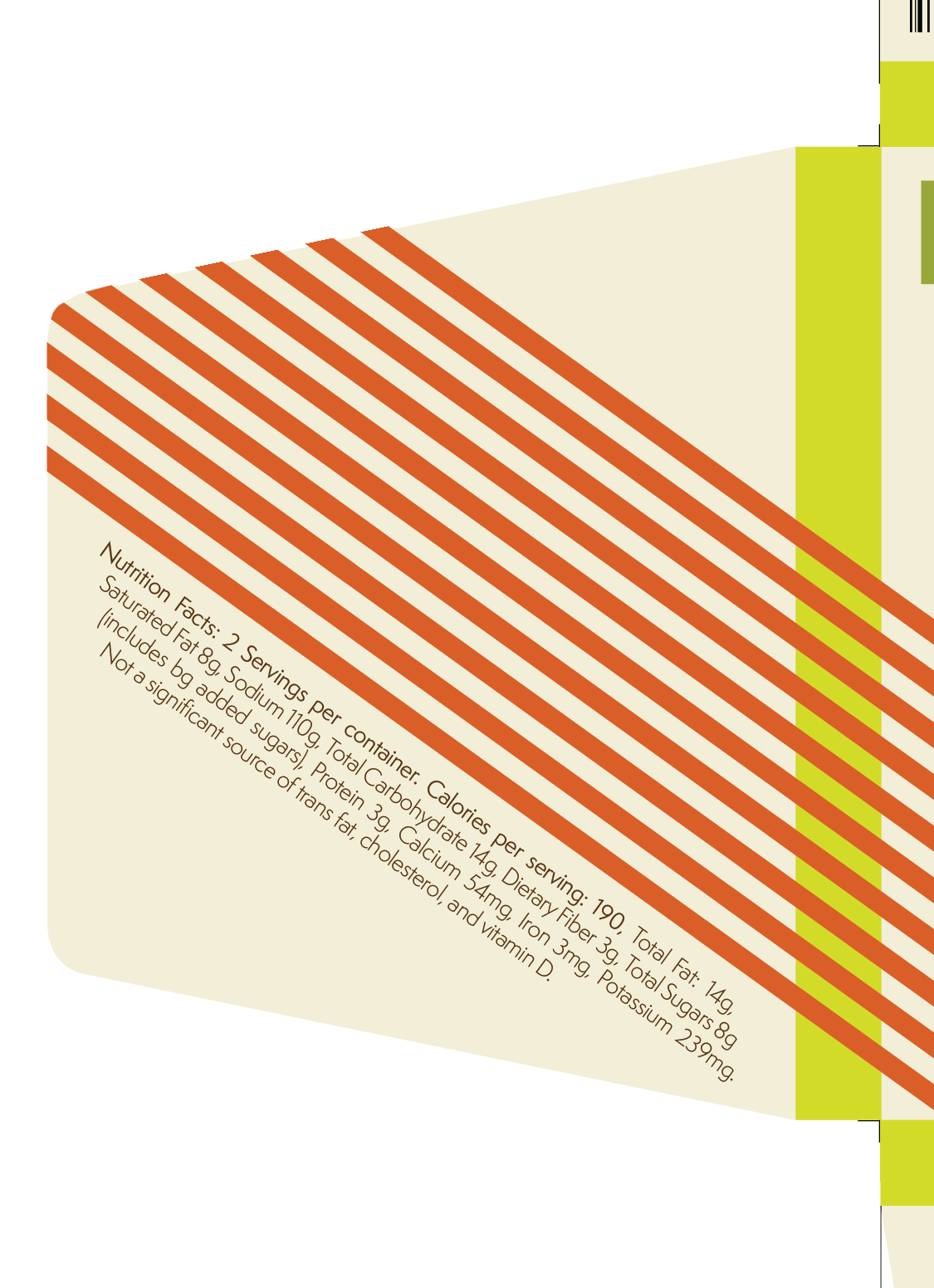
Quetzalcoatl Bar. Detail, side flap, exterior wrapper design
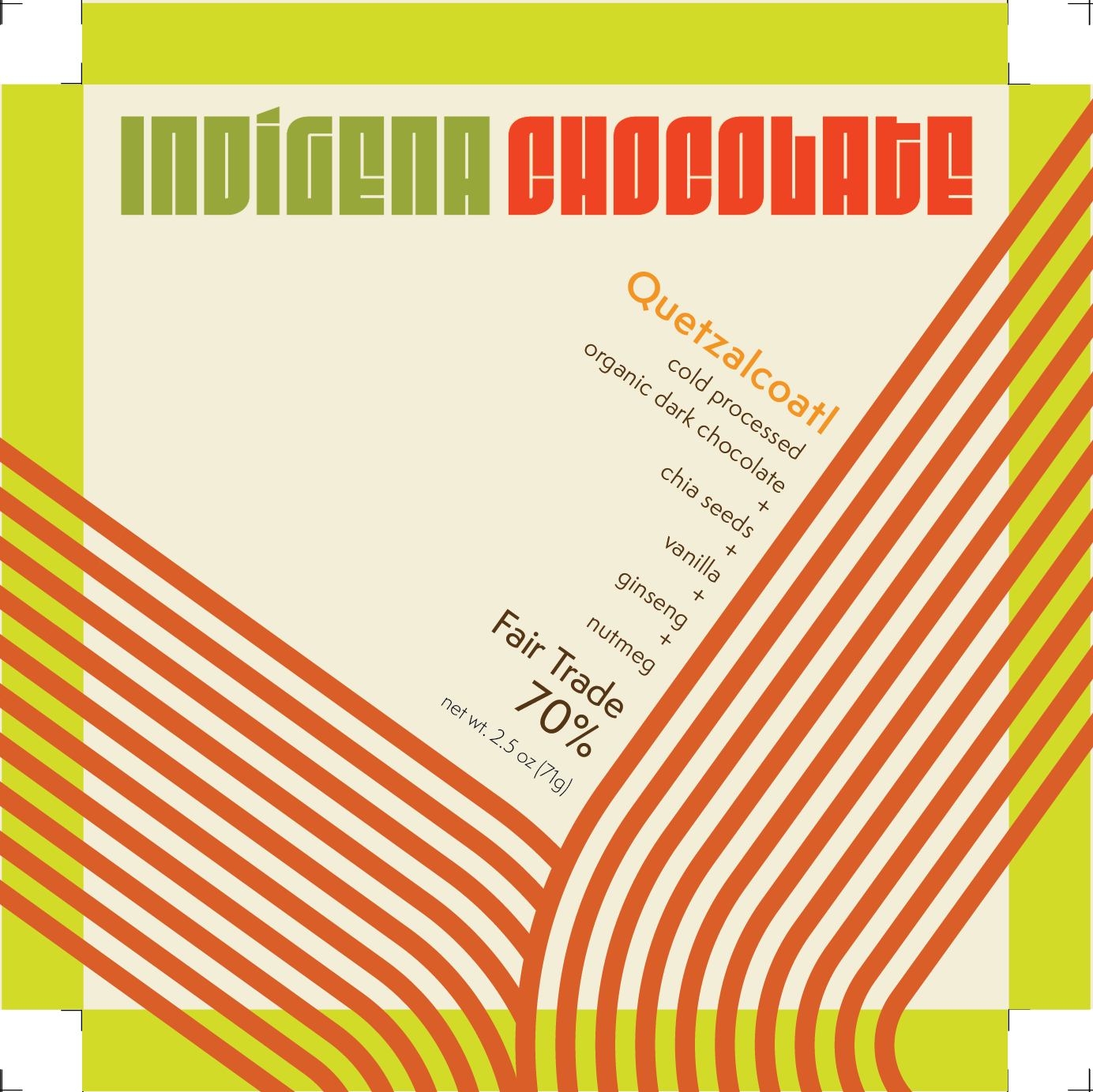
Quetzalcoatl Bar. Detail, exterior wrapper design
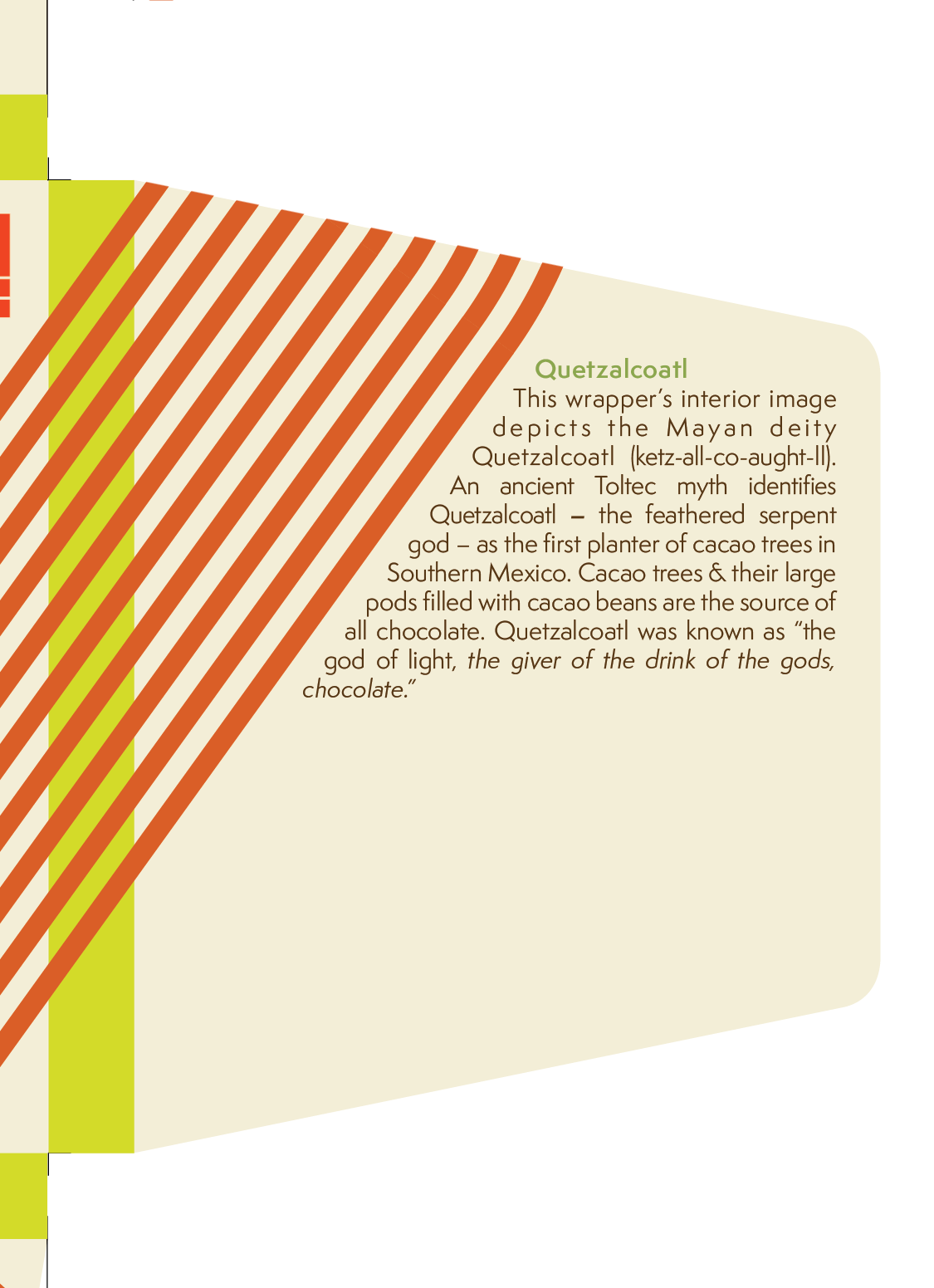
Quetzalcoatl Bar. Detail, side flap, exterior wrapper design
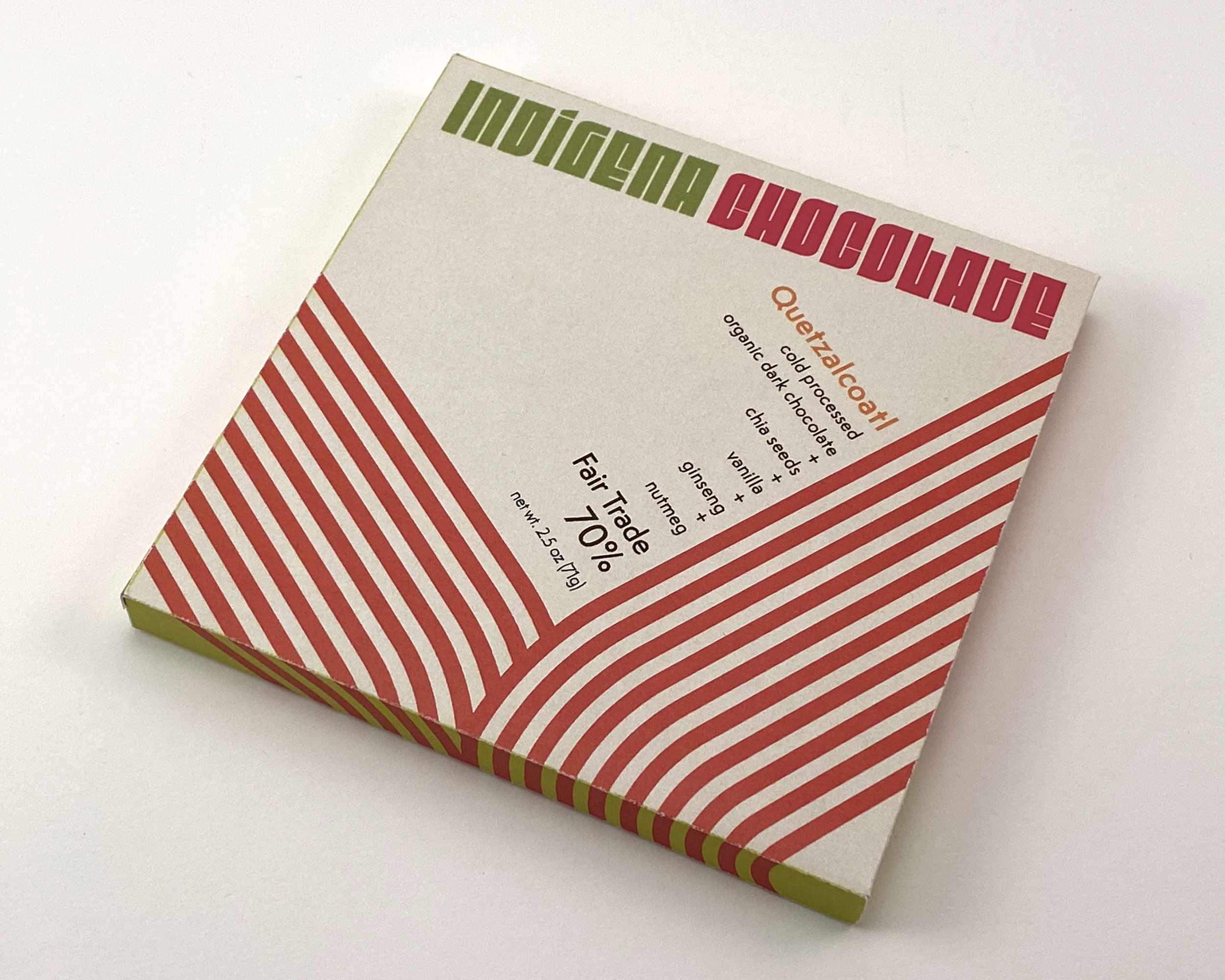
Quetzalcoatl Bar. Mock-up, individual chocolate bar wrapper
Quetzalcoatl Bar. Mock-up, individual chocolate bar wrappers